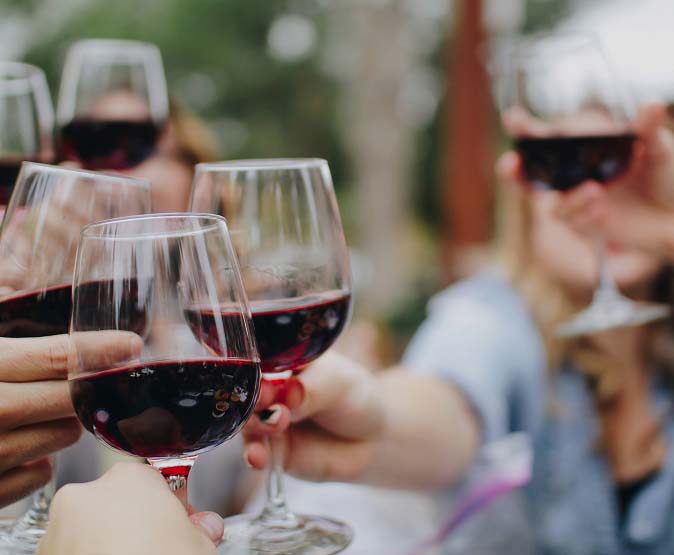

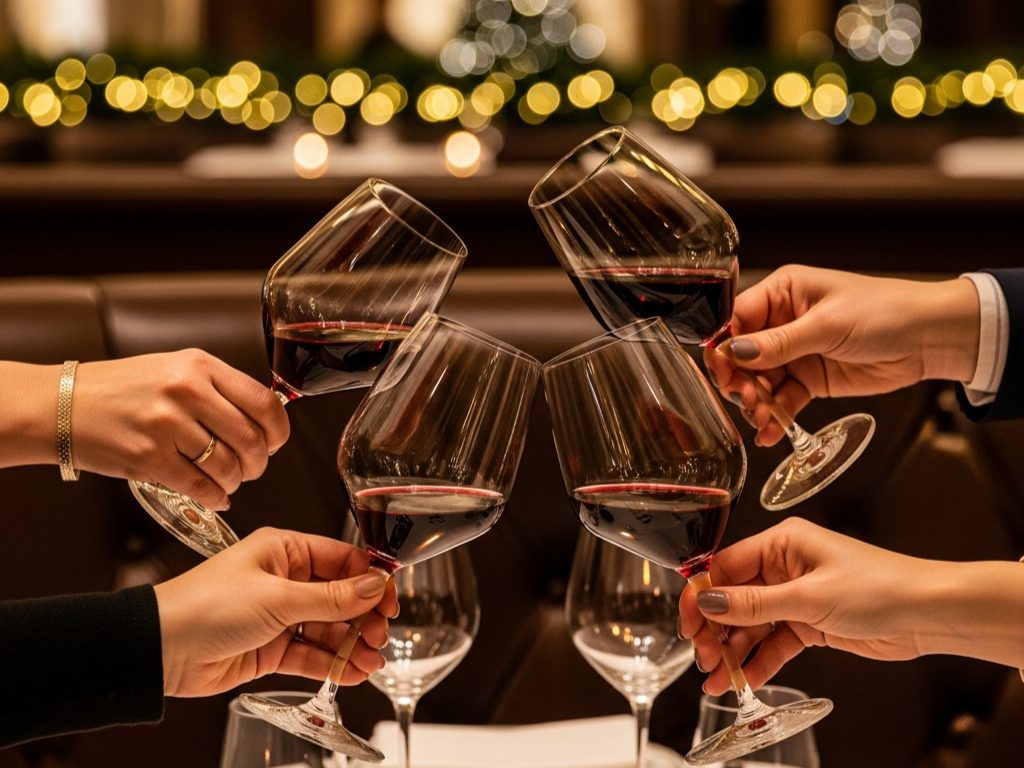
A selection of five festive wines designed for restaurants and wine shops: Champagne, Burgundy, Barolo and an alcohol-free Blanc de Blancs.
December is the month of peak annual consumption for many categories. In restaurants and wine shops, demand rises for recognisable wines that can stand up to richer menus and a greater number of covers.
That is why we are proposing a selection of festive wines: five technical, versatile references that meet the needs of the season – territorial recognisability, balance, versatility at the table and adequate availability.
Champagne Yann Alexandre – Brut Noir NV
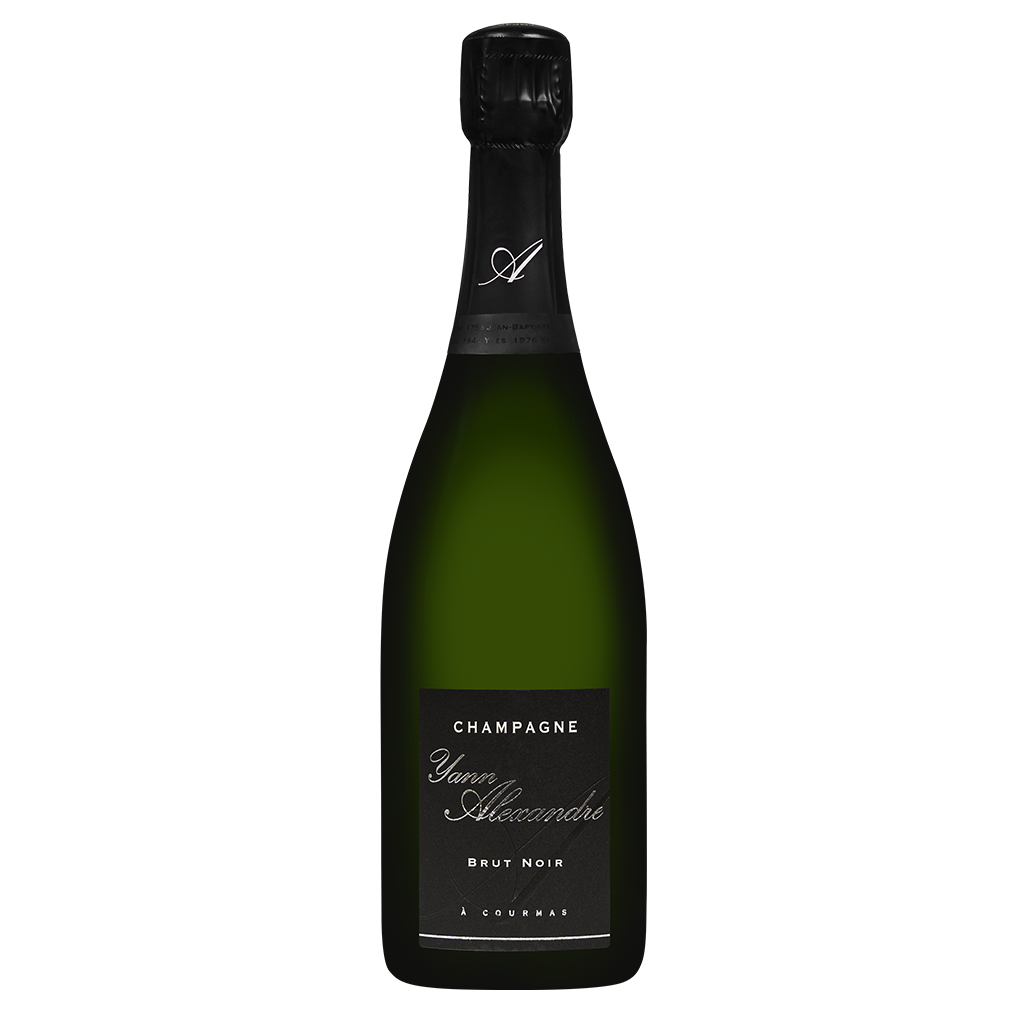
Champagne Yann Alexandre Brut Noir
A blend of 45% Meunier, 40% Chardonnay and 15% Pinot Noir from the Petite Montagne de Reims, the Massif de Saint-Thierry and the Vitryat. The wine combines a 2020 base with around 40% vin de réserve averaging 4–5 years of age.
Fermentation in stainless steel, full malolactic fermentation and a dosage of 6 g/l create a profile that is immediate yet deep – particularly useful for aperitifs, Christmas brunches, corporate dinners and tasting menus.
Vincent Bachelet – Saint-Aubin 1er Cru En Remilly 2022
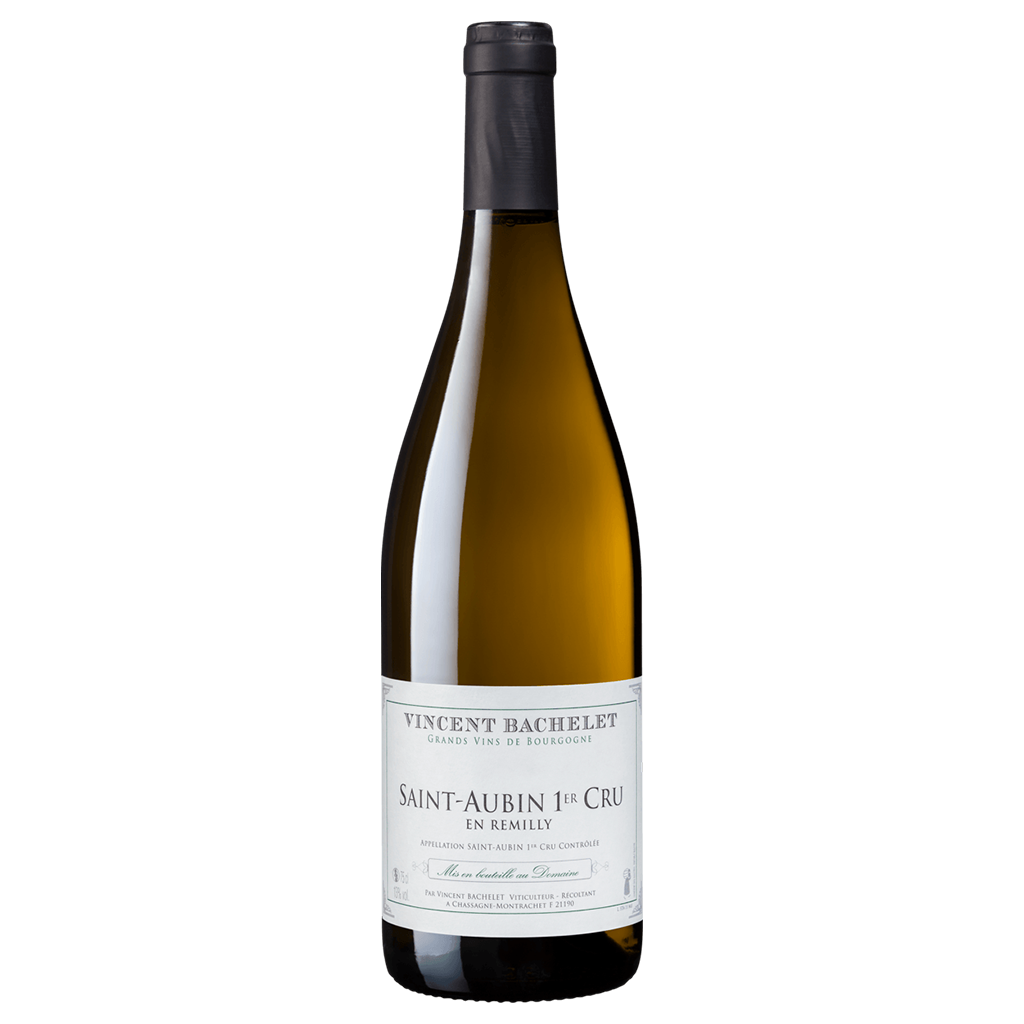
Vincent Bachelet Saint Aubin 1er Cru En Remilly
En Remilly is one of the finest climats in the area, set on the combe of Saint-Aubin with a south/south-west exposure and a direct view across to the opposite slope of Grand Cru Le Montrachet. Fermentation in concrete and 10 months' ageing in barriques (20% new) preserve the cru's linear profile, with a structure that pairs well with complex dishes such as scallops, lobster, poultry and game birds, and rich sauces.
Availability is limited – a relevant point for wine lists seeking targeted labels for the festive season.
Domaine Trapet-Rochelandet – Gevrey-Chambertin Vieilles Vignes 2022
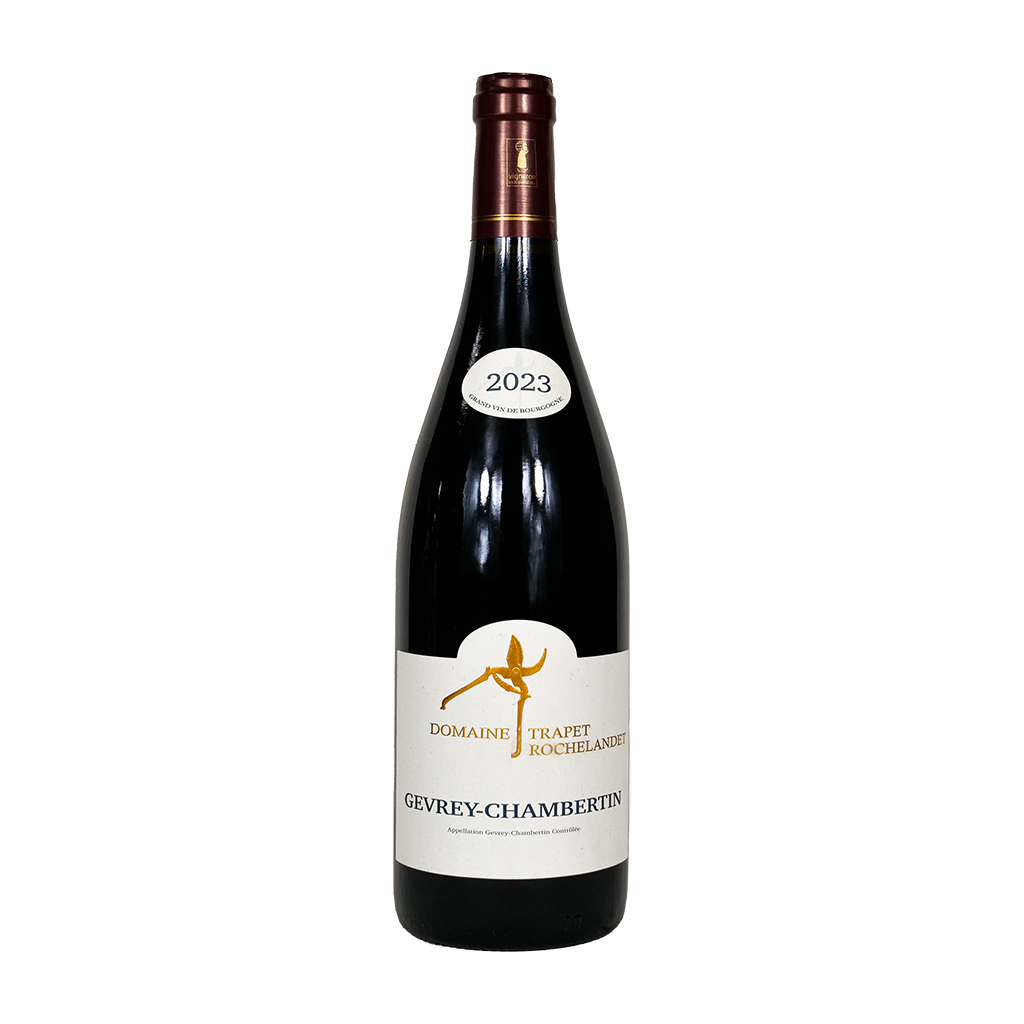
Trapet-Rochelandet Gevrey-Chambertin Vieilles Vignes
The cuvée comes from four lieux-dits lying just below the D974: Les Creux Brouillard, La Croix des Champs, Les Reniards and La Justice, at altitudes between 260 and 275 metres. With an average age of 40 years, the vines deliver ripe, consistent profiles even in the warmest vintages.
Vinification uses 50% destemmed fruit, with 90% fermented in stainless steel and 10% in second-fill barriques – an approach that preserves volume without adding aromatic interference. This is a Pinot Noir well suited to the meat-based menus typical of the season: capon, duck, cotechino and roast veal.
Rizieri – Barolo 2015
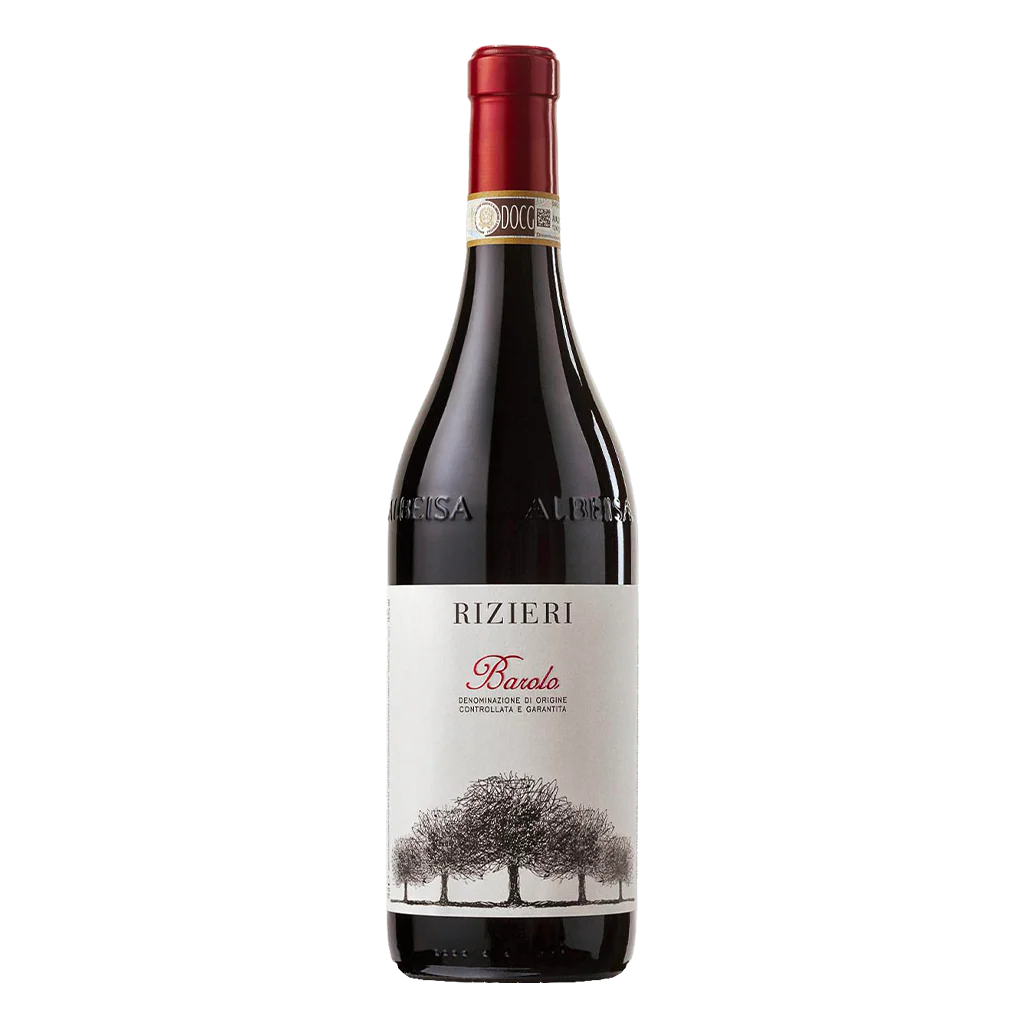
Rizieri Barolo 2015
Produced in La Morra from a single plot at 300 metres above sea level, with vines planted in 1983, 2000 and 2009. Clay soils with limestone sections and sandy veins contribute to a balance between structure and aromatic openness.
Traditional 24-day maceration and 24 months' ageing in 25 hl Slavonian and French casks. The 2015 vintage is perfectly integrated and represents a strategic choice for restaurants looking for a Barolo ready to serve on end-of-year menus.
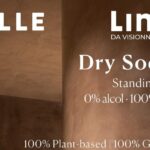
A bonus for non-drinkers: Bolle Drinks – Alcohol-Free Blanc de Blancs NV
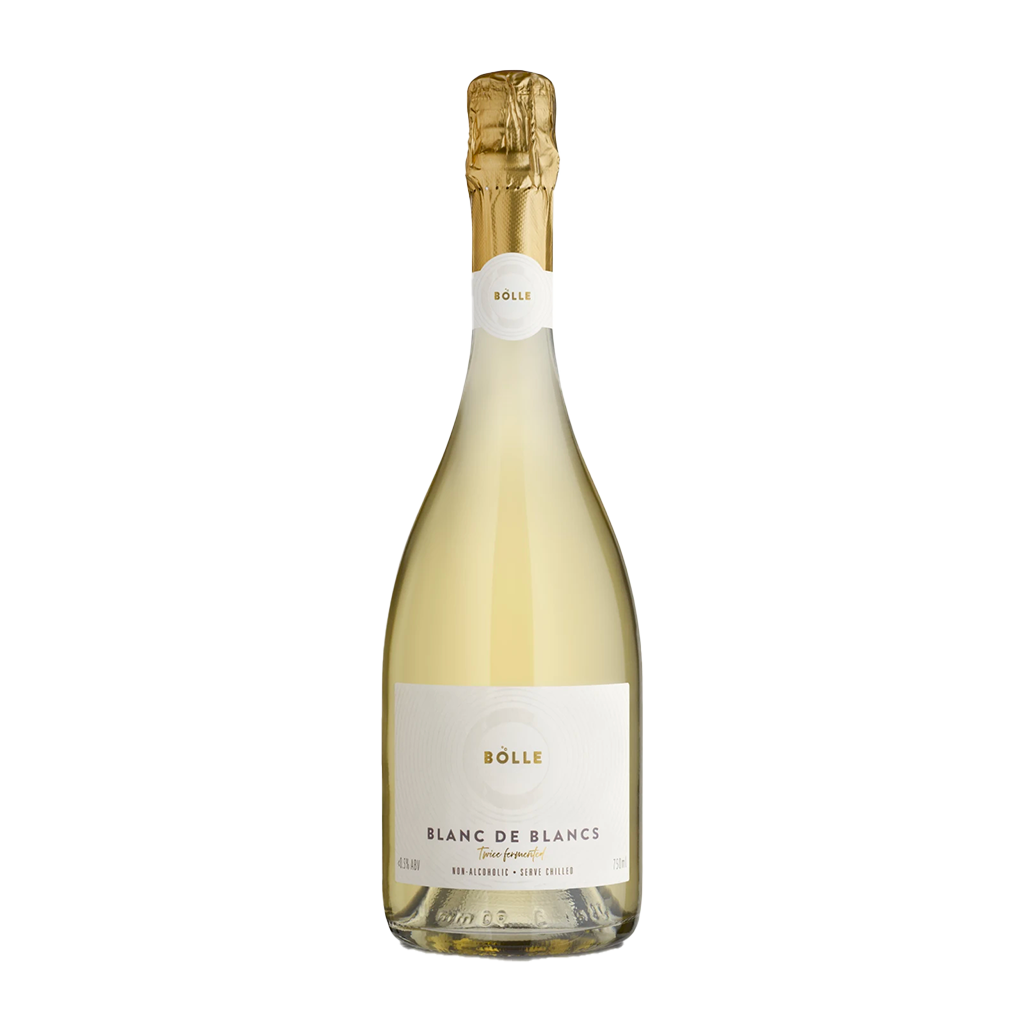
Bolle Alcohol-Free Blanc de Blancs
Growing demand for no-alcohol alternatives calls for technical references that speak the language of wine. This Blanc de Blancs combines Chardonnay from La Mancha (for body and volume) and Sylvaner from Franken (for acidity and structure); it is fermented in stainless steel and dealcoholised by low-temperature, twin-column vacuum distillation.
The second fermentation (it is the only alcohol-free wine in the world to use this technique) takes place with non-Saccharomyces yeasts that produce no alcohol. The result is a wine with <0.5% ABV, 15 kcal per 100 ml and 2.7 g/L of natural, non-added sugars: a practical option to pair with fried food, crudités and festive vegetable dishes.
Why these “festive wines” work in a professional setting
These five references match the seasonal needs of the trade. The selection brings together highly recognisable regions, ready-to-drink vintages and production methods that ensure consistent quality. Festive wines need to be versatile, easy to slot into special menus and available in quantities that meet December demand.
In addition, including an alcohol-free option makes it possible to cover a fast-growing segment – often underestimated, yet strategic for modern wine lists. The combination of Champagne, Burgundy, Barolo, structured whites and zero-alcohol alternatives allows you to build complete offerings with differentiated margins and strong sales potential.
For offers, quotes and orders in December, don't hesitate to get in touch: our logistics operate throughout the month, and we are ready to meet all your requests!