
Discover the latest trends in the world of artisan Champagne. From winemaking methods to sommeliers' preferences, we explore what makes this season's Champagne unique.
The world of artisan Champagne is constantly evolving, with new trends emerging every season. For sommeliers and enthusiasts alike, keeping up with these trends is essential to fully appreciate the complexity and diversity of these extraordinary wines. In this article, we explore the emerging trends in artisan Champagne, with a particular focus on what sommeliers are looking for this season.
Back to the roots: the importance of terroir
One of the most significant trends in the world of artisan Champagne is a renewed focus on terroir. Vignerons are placing ever greater emphasis on the authentic expression of where their wines come from.
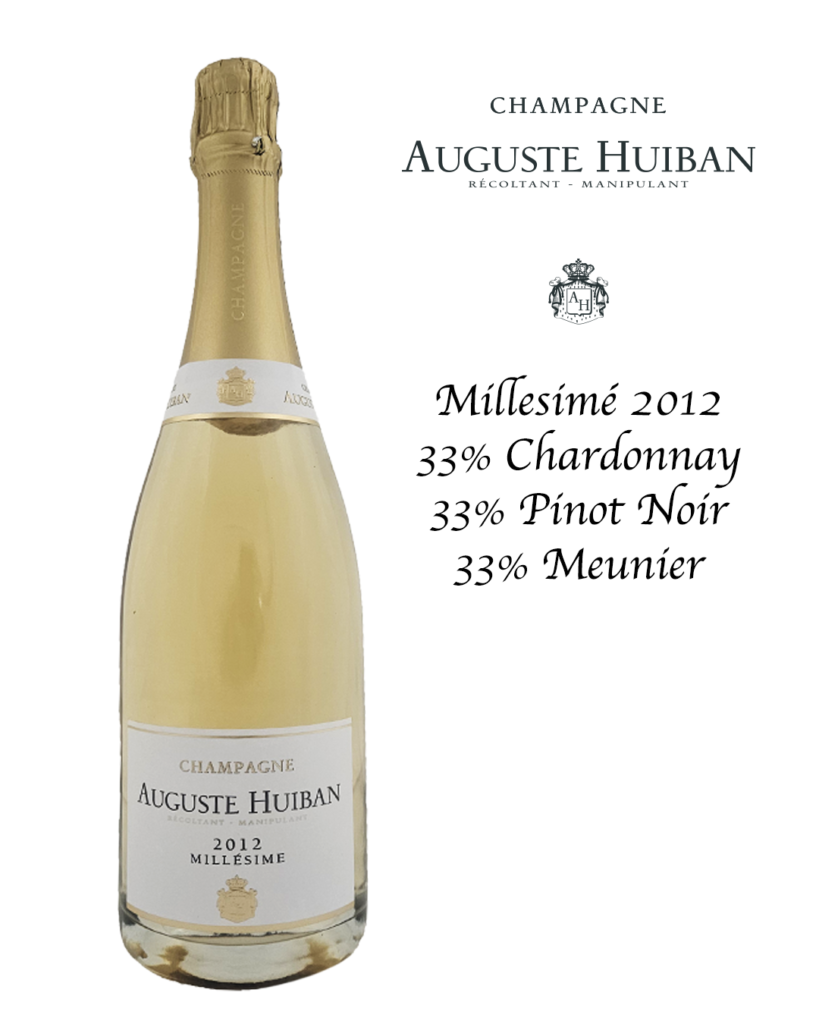
Auguste Huiban, from the Vallée de la Marne, is a perfect example of this trend. His Pinot Meunier-based Blanc de Noirs captures the essence of his terroir, offering a unique perspective on this often underrated variety. His recent Millesimé 2012, which blends Meunier, Pinot Noir and Chardonnay in equal parts, is a complex expression of his land.
Adam-Mereaux, with vineyards in the prestigious areas of Ludes, Berru, Mont de Berru and Chigny-Les-Roses, is producing Champagnes that are true liquid postcards of their terroirs, most notably his Blanc de Blancs 2014.
Sommeliers are particularly drawn to Champagnes that tell the story of where they come from, seeking out wines that offer a clear expression of terroir.
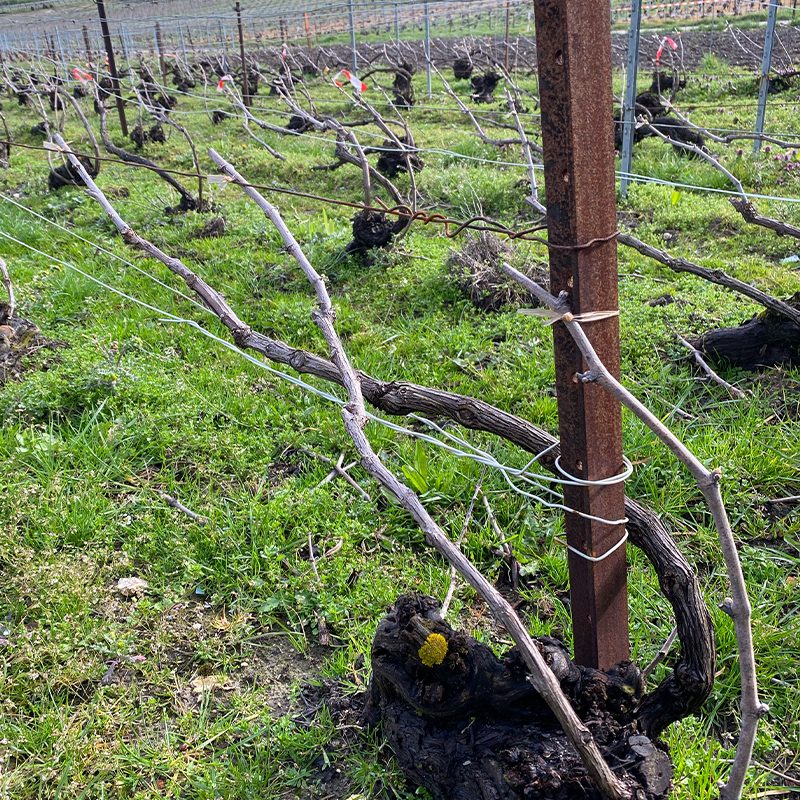
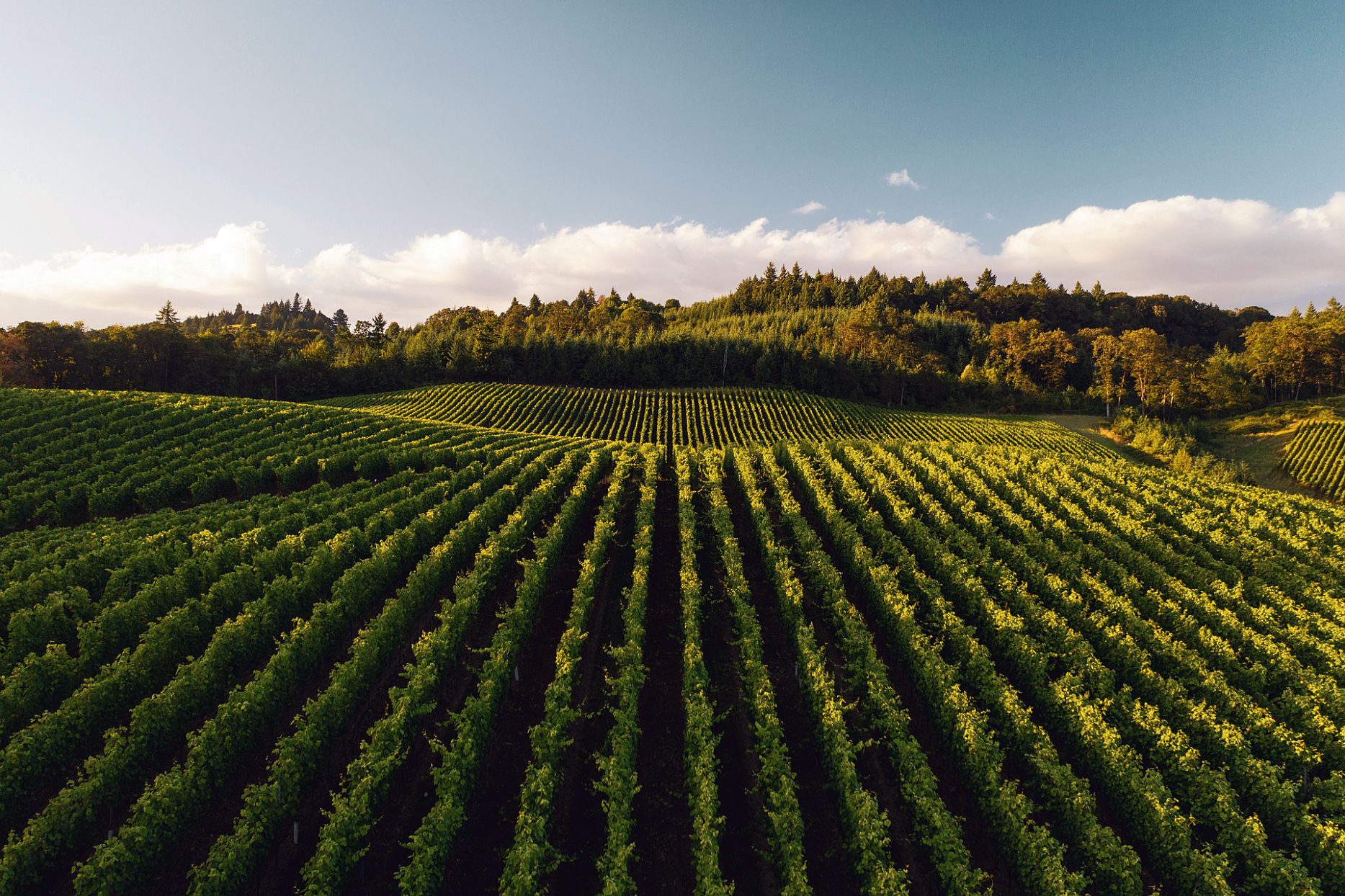
Chardonnay vines growing at Taillie Chablis
Lesser-known varieties in the spotlight
Another emerging trend is the growing interest in Champagne's lesser-known grape varieties. While Chardonnay and Pinot Noir have traditionally dominated the scene, there is a revival of interest in varieties such as Pinot Meunier and Pinot Blanc, and even in ancient varieties like Arbanne and Petit Meslier.
Huiban, who specialises in Pinot Meunier, is leading this trend, showing just how versatile and complex this often underrated variety can be.
Winemaking methods: between tradition and innovation
Winemaking methods are at the centre of sommeliers' attention this season. There is growing interest in techniques that respect tradition while embracing innovative approaches.
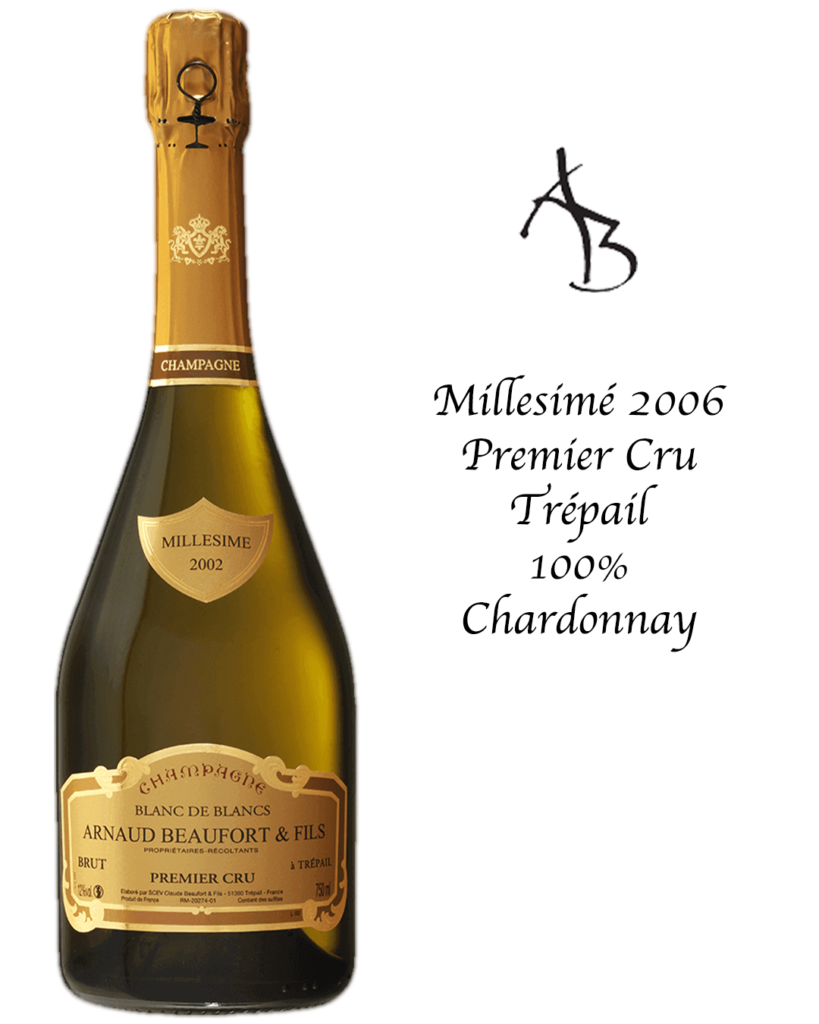
Arnaud Beaufort, from Trépail, is experimenting with spontaneous fermentations and extended ageing on the lees, creating Champagnes of extraordinary complexity. His newly released Blanc de Blancs 2006 shows how Trépail Chardonnay can evolve beautifully over time.
Péhu-Guiardel brings a unique perspective with his 2019 vintage, a Pinot Noir-led blend completed with Chardonnay, entirely barrique-fermented. This innovative approach is catching sommeliers' attention for its complexity and structure.
Dosage: the "less is more" trend
One clear trend is the preference for Champagnes with lower dosage. Sommeliers are increasingly looking for Brut Nature or Extra Brut Champagnes, which allow a purer expression of fruit and terroir.
Péhu-Guiardel has responded to this trend with his Blanc de Noirs Brut Nature, which boasts over 50 months on the lees. This Champagne, which lets the character of Pinot Noir express itself fully, is proving a great success with sommeliers who value purity and authenticity.
Sustainability: a key factor
Sustainability has become a fundamental criterion for many sommeliers when selecting Champagne. Producers adopting organic or biodynamic practices are gaining ever greater recognition.
All our vignerons are taking significant steps in this direction. Auguste Huiban is converting to organic viticulture, while Adam-Mereaux is exploring biodynamic techniques in some of his parcels.
Champagne as a food wine
Another emerging trend is the appreciation of Champagne as a wine to drink with food, not just as an aperitif or with dessert. Sommeliers are suggesting bold pairings, matching structured Champagnes with main courses.
Péhu-Guiardel's Blanc de Noirs Brut Nature, with the structure and complexity that come from long ageing on the lees, is winning new admirers as a partner for red meat dishes, a trend that is redefining Champagne's role at the table.
Champagne: the importance of specific vintages
There is growing interest in vintage Champagnes, which express the unique characteristics of a particular year. This trend reflects the search for authenticity and individuality among sommeliers and enthusiasts.
Huiban's Millesimé 2012 is attracting attention for the way it captures the essence of an exceptional vintage, offering remarkable complexity and balance.
Adam-Mereaux stands out with his Blanc de Blancs 2014, a pure expression of Chardonnay that reflects that year's unique weather conditions. This wine is earning recognition for its freshness and minerality, hallmarks of the finest vintages from the Montagne de Reims.
Beaufort offers two vintage expressions that are catching connoisseurs' attention. His newly released Blanc de Blancs 2006 shows how Trépail Chardonnay can evolve beautifully over time. Alongside it, the single-parcel 2015 offers a detailed look at a more recent vintage, allowing enthusiasts to appreciate the nuances of Beaufort's terroir.
Péhu-Guiardel brings a unique perspective with his 2019 vintage, a Pinot Noir-led blend completed with Chardonnay, entirely barrique-fermented. This innovative approach is catching sommeliers' attention for its complexity and structure, offering a modern interpretation of vintage Champagne.
Conclusion: an exciting future for artisan Champagne
These emerging trends in artisan Champagne are creating an exciting landscape for sommeliers and enthusiasts. The combination of respect for tradition and openness to innovation is producing Champagnes of extraordinary quality and character.
For restaurateurs and enthusiasts, this is the perfect moment to explore the diversity of artisan Champagne. Whether it is a Blanc de Noirs Brut Nature with long lees ageing, a vintage Champagne that expresses its terroir or an innovative barrique-fermented blend, there is an artisan Champagne for every palate and occasion.
We invite you to explore our selection of artisan Champagnes, each of which embodies these emerging trends. Let your palate and curiosity guide you on this journey through the fascinating world of artisan Champagne.