
Cava, Spain's renowned traditional-method sparkling wine. A journey through the history, production and unique character of this oenological gem.
Cava, a jewel of Spanish winemaking tradition, represents the very best of traditional-method sparkling wine. Having earned international fame and acclaim, it offers a unique tasting experience that combines Mediterranean freshness with the complexity that comes from meticulous production.
The History and Origins of Traditional-Method Cava
The story of Cava begins in the second half of the 19th century in Catalonia, specifically in the Penedès region. It was Josep Raventós i Fatjó who, after a trip to France, decided to apply the méthode champenoise to native Spanish grapes. This insight gave rise to a unique sparkling wine, deeply rooted in Catalan soil yet able to win over palates around the world.
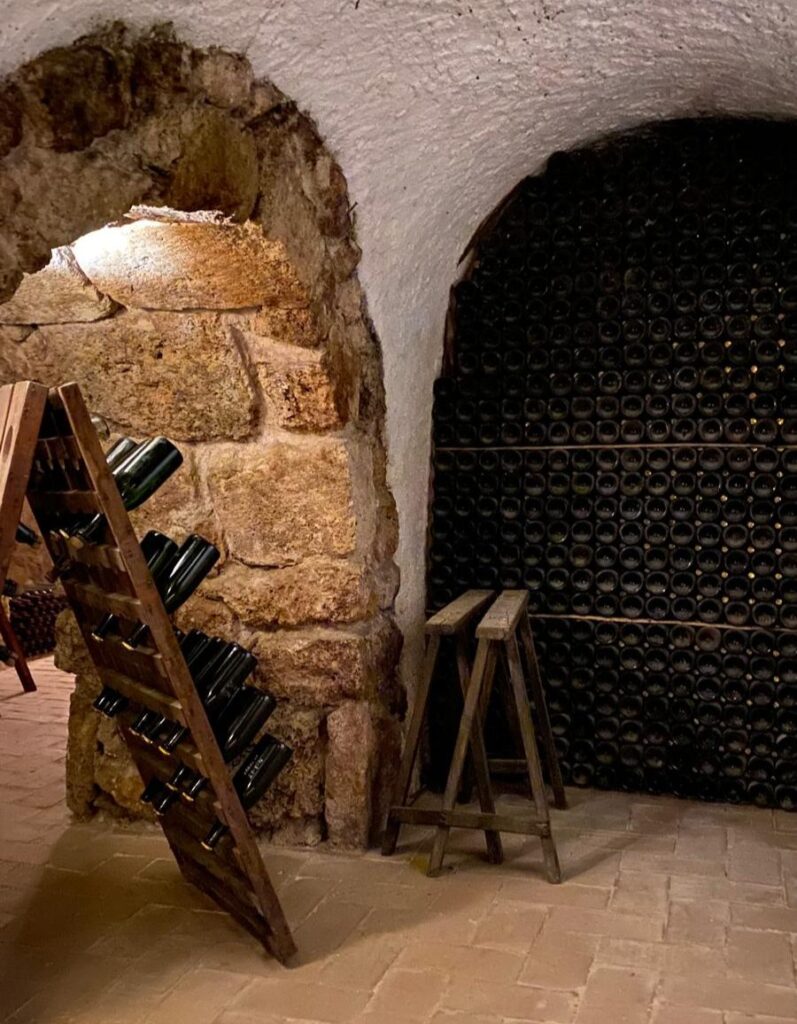
The term "Cava", which means "cellar" in Catalan, was officially adopted in the 1970s to distinguish this wine from other European sparkling wines. In 1986, when Spain joined the European Union, Cava was granted Protected Designation of Origin (PDO) status.
Cava: Production Areas and Grape Varieties
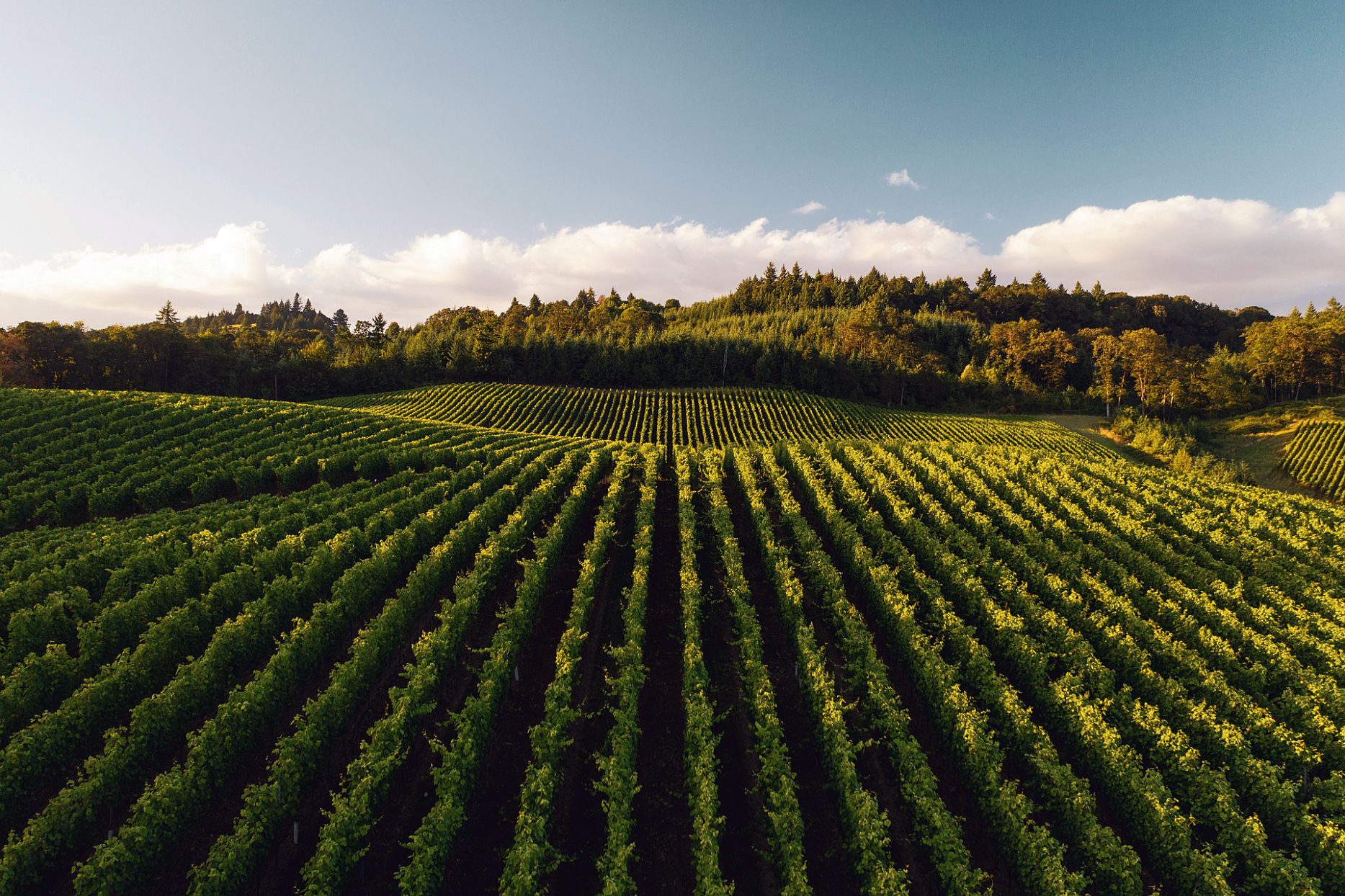
Although the heart of Cava production remains the Penedès in Catalonia, the Cava PDO also includes other Spanish regions, among them La Rioja, Valencia and Extremadura. Nevertheless, over 95% of production is still concentrated in Catalonia.
The traditional grape varieties used for Cava are:
1. Macabeo (or Viura): brings freshness and floral aromas
2. Xarel·lo: provides structure and ageing potential
3. Parellada: adds finesse and delicate fruity notes
Other varieties are also permitted, such as Chardonnay, Pinot Noir, Garnacha and Trepat, the latter used mainly for rosé Cava.
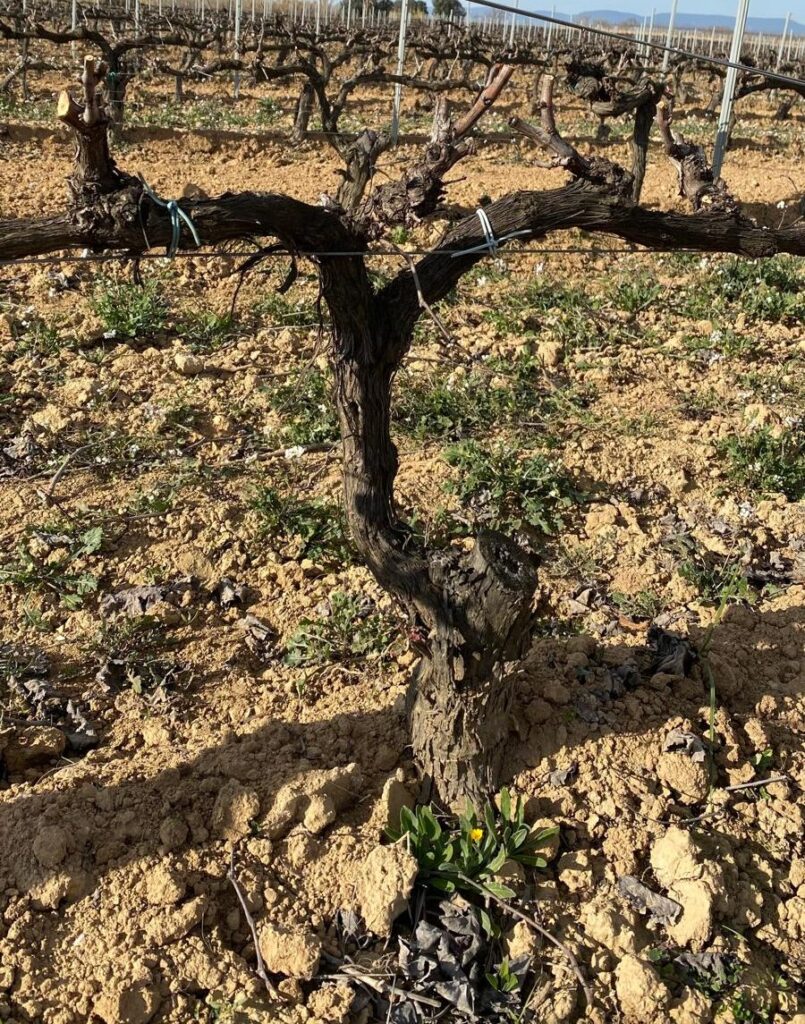
The traditional method: the key to excellence
Cava is made using the traditional method, the same one used for Champagne. This long, meticulous process involves:
1. Base wine production: the grapes are vinified separately
2. Blending: the base wines are blended to create the desired cuvée
3. Tirage: yeast and sugar are added for the second fermentation in bottle
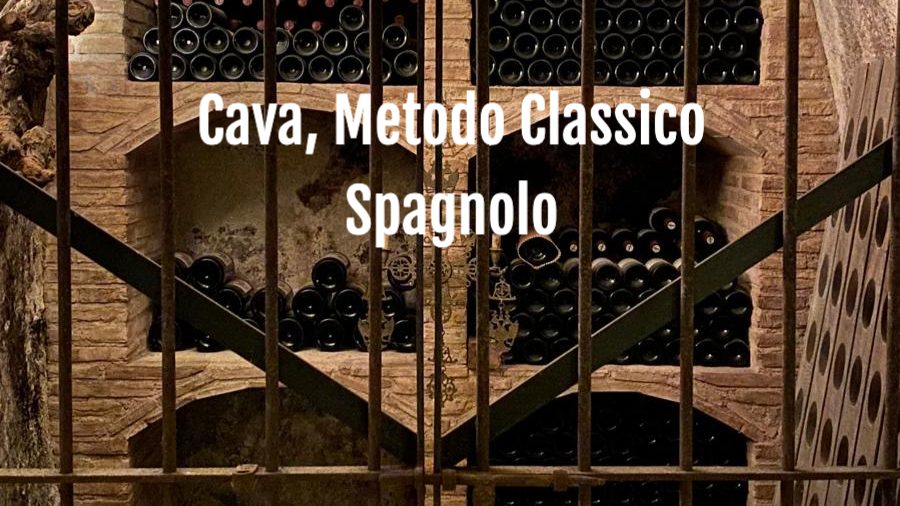
4. Ageing on the lees: a minimum of 9 months, though often much longer for higher-quality Cava
5. Riddling: gradual turning of the bottles so that the lees settle in the neck
6. Disgorgement: removal of the lees and addition of the liqueur d'expédition
This method gives Cava its characteristic aromatic complexity and the fine effervescence for which it is known.
Categories and Styles of Traditional-Method Cava
Cava is divided into several categories based on the length of ageing on the lees:
- Cava de Guarda: minimum 9 months
- Cava Reserva: minimum 15 months
- Cava Gran Reserva: minimum 30 months
- Cava de Paraje Calificado: minimum 36 months, from single vineyards of exceptional quality
In terms of sweetness, the styles are:
- Brut Nature: no added sugar
- Extra Brut: up to 6 g/l residual sugar
- Brut: up to 12 g/l
- Extra Seco, Seco and Semi Seco: with increasing levels of sweetness
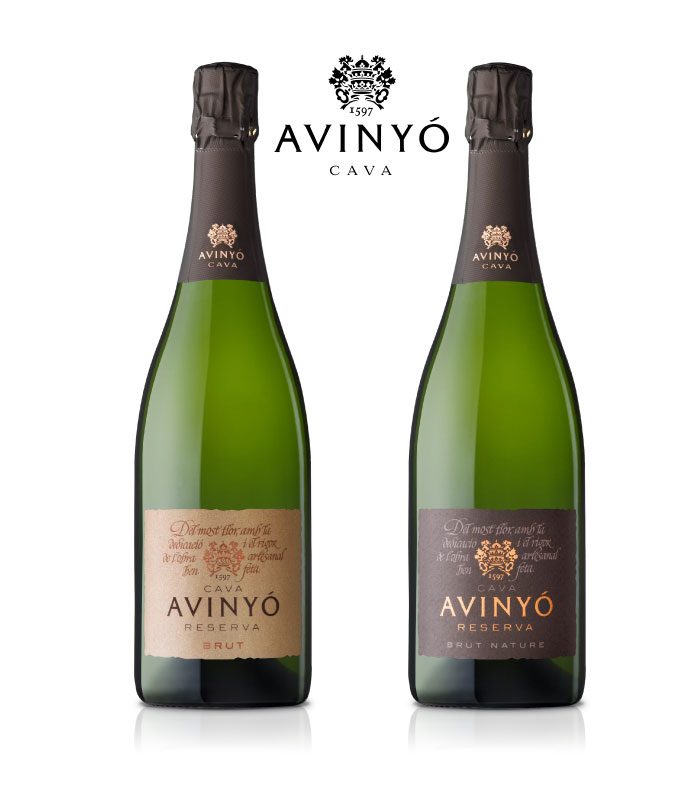
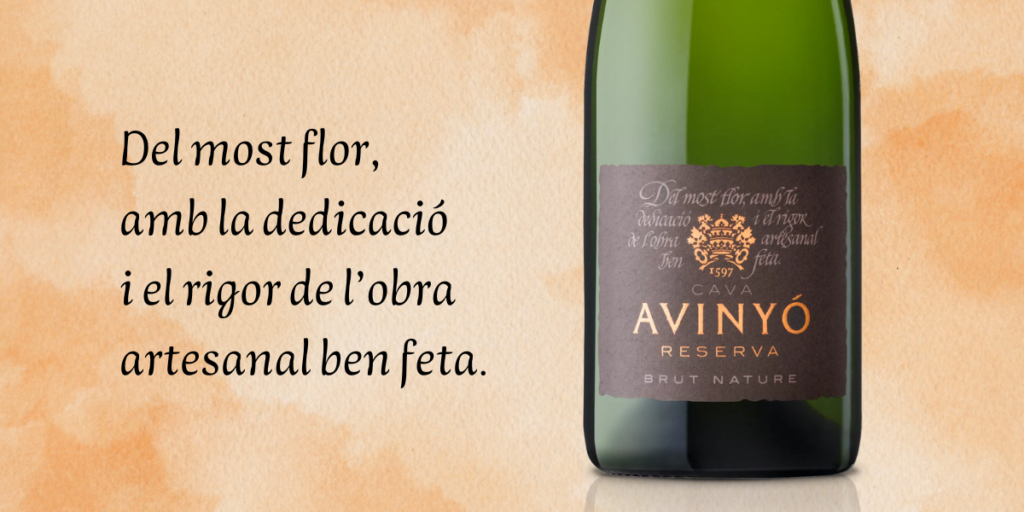
Cava Reserva Brut and Cava Reserva Brut Nature
Bodega Avinyo: an example of excellence in traditional-method Cava
In our portfolio, Bodega Avinyo, located in the Alt Penedès, represents the pinnacle of Cava production. This family-run winery stands out for:
1. Using only grapes from its own estate vineyards
2. Sustainable farming and respect for the environment
3. Meticulous attention to every stage of production
4. Producing high-quality Cava with long ageing on the lees
Avinyo's Cavas are characterised by their freshness, aromatic complexity and fine perlage, offering an authentic expression of the Penedès terroir.
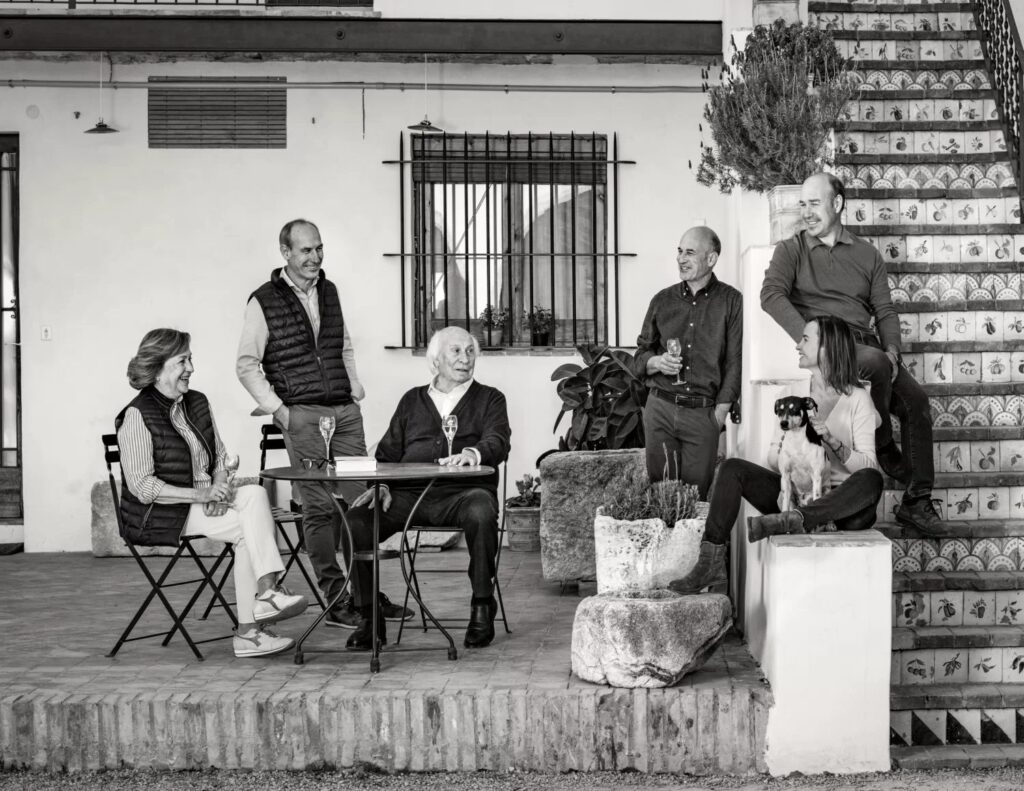
Cava Avinyo, a family portrait
Organoleptic Characteristics of Cava
Cava is distinguished by:
- Colour: from straw yellow to deep gold, with fine, persistent perlage
- Nose: notes of white fruit, citrus and flowers, with hints of yeast and dried fruit and nuts in older Cavas
- Palate: fresh, with good acidity, elegant structure and a long, complex finish
Aromatic and flavour complexity increases with ageing on the lees, bringing notes of pastry, ripe fruit and toast in older Cavas.
Cava and Food Pairings
Cava's versatility makes it an excellent wine for a wide range of pairings:
- Cava Brut Nature: perfect with seafood, oysters and raw fish
- Cava Reserva: excellent with white meat, poultry and medium-aged cheeses
- Cava Gran Reserva: pairs well with more substantial dishes, such as roasts and lighter red meats
- Cava Rosé: ideal with Iberian ham, paella and Mediterranean dishes
Cava is also an excellent aperitif wine and pairs well with the full spectrum of Spanish cuisine, from tapas to more elaborate dishes.
The Future of Traditional-Method Cava
Cava is enjoying a renaissance and renewed interest on the international stage. Current trends include:
1. A focus on producing high-quality Cava with extended ageing
2. Greater attention to single-vineyard Cavas and expressions of terroir
3. Experimentation with lesser-known native grape varieties
4. Growing interest in sustainable and organic viticulture
These developments promise an exciting future for Cava, consolidating its place among the world's great sparkling wines.
Cava and the Traditional Method: Conclusions
Cava represents the excellence of the Spanish traditional method, offering a high-quality wine that combines tradition and innovation. Its versatility, together with a growing focus on quality and the expression of terroir, has made it increasingly popular with wine lovers around the world.
Exploring the world of Cava means embarking on a journey through Spain's rich winemaking tradition, discovering a wine that beautifully expresses the unique character of its place of origin.
Discover the Cavas in our portfolio
We invite you to explore our selection of Cava, with particular attention to the wines of Bodega Avinyo. These wines embody the excellence of the Spanish traditional method and offer a unique tasting experience.
Visit the dedicated section of our website (here) to discover the full range and detailed descriptions of each Cava. Our experts are on hand to advise you on ideal food pairings and to arrange tailored tastings, so you can fully appreciate the quality and diversity of these remarkable Spanish sparkling wines.
Whether you are a restaurateur looking for new additions to your wine list or an enthusiast keen to explore the world of quality sparkling wine, our Cavas will take you on a sensory journey through the very best of Spain's sparkling wine tradition.
For information and orders, you can always email us at info@wineterroir.it