
A scientific and market analysis of the world of high-quality dealcoholised wines, drawing on peer-reviewed research and market studies to better understand a new and rapidly changing sector
The world of wine is undergoing a significant transformation. According to the recent IWSR report "No- and Low-Alcohol Strategic Study 2024", the market for dealcoholised wines has seen steady growth, with forecasts pointing to this trend consolidating over the coming years.
This market is now driven by growing demand for alternatives to traditional wine that retain organoleptic complexity and drinking pleasure. Until now, however, most products on the market have fallen short of the expectations of more discerning consumers, offering impoverished organoleptic profiles and unbalanced structures.
The main reason for this lack of quality lies in the industrial approach to dealcoholisation, historically based on aggressive techniques which, in removing the alcohol, irreparably compromise the delicate balance of compounds that defines a quality wine. High temperatures, excessive pressures and invasive treatments have resulted in products that retain little more than the name of wine.
The breakthrough in quality in the sector is coming from the convergence of three key factors:
the evolution of low-impact dealcoholisation technologies;
the application of innovative microbiological protocols;
the development of post-dealcoholisation techniques designed to restore structural complexity.
In this article:
Dealcoholised Wines: A Fast-Growing Market
The Importance of Technical Choices: From Vineyard to Cellar
Innovation in Dealcoholisation Processes
Dealcoholisation Technologies: Evolution and Comparison
Dealcoholisation: The Most Advanced Techniques for the High-Quality Segment
Dealcoholised Wines: Organoleptic Quality and Sensory Profile
The Crucial Role of Microbiology in Producing Dealcoholised Wines
Post-Dealcoholisation Techniques: Restoring Complexity
Controlled Micro-Oxygenation: A Key to Complexity
Dealcoholised Wines: Future Prospects in Technology and the Market
Dealcoholised Wines: Opportunities for the Market
Dealcoholised Wines: A Fast-Growing Market
NielsenIQ data for 2024 highlight a substantial shift in consumer habits: more and more consumers are looking for quality alcohol-free alternatives, not only for health or lifestyle reasons, but as a conscious choice for specific drinking occasions.
The global market for dealcoholised wines reached a value of 1.5 billion dollars in 2022, with projections indicating a CAGR (Compound Annual Growth Rate) of 7.8% up to 2027 (Source: Grand View Research, 2023). Particularly significant is the figure for the premium segment, which is growing at almost twice the rate of the overall market, driven by demand for products of high organoleptic quality.
The current market offering, however, still shows significant gaps in quality. As highlighted in the study by Liguori et al. (2021), the main challenge in producing quality dealcoholised wines lies in preserving the organoleptic characteristics during the dealcoholisation process. Most of the products currently available come from industrial processes that put efficiency before quality, often compromising the wine's aromatic and structural profile.
The Importance of Technical Choices: From Vineyard to Cellar
Research by Catarino & Mendes (2011) showed that the final quality of a dealcoholised wine depends on two fundamental factors: the quality of the raw material and the dealcoholisation technique used. Their study demonstrates that starting with high-quality grapes, picked at the right level of ripeness, is just as essential as the technological process that follows.
Vineyard management calls for a specific approach when the grapes are destined for dealcoholised wines, so it is not enough simply to allocate part of the crop (often the lowest-quality part) to the dealcoholisation line. The aim is instead to achieve an optimal balance between acidity and aromatic ripeness, without necessarily pursuing high sugar levels. This approach produces more balanced base wines that require less invasive intervention during dealcoholisation.
Innovation in Dealcoholisation Processes
The study by Akhtar et al. (2025) analysed in detail the various technologies available for dealcoholisation, showing that low-temperature processes are clearly superior at preserving aromatic compounds. The research demonstrated that:
- The most modern reverse osmosis techniques, operating at moderate temperatures (20–25°C), preserve volatile compounds significantly better than earlier methods;
- The use of selective membranes allows more precise extraction of ethanol, leaving the structure of the wine unaltered;
- Pressure management during the process is crucial to preserving the organoleptic characteristics.
A further important point discussed in the study is the great care that must be taken over the microbiological, oxidative and chemical stability of the final dealcoholised wine, since the preservative action of alcohol is absent.
But first, let's take a step back and look at some history and technology.
Dealcoholisation Technologies: Evolution and Comparison
The history of commercial wine dealcoholisation begins with traditional reverse osmosis, a technology that is still the most widely used method at industrial level today. Understanding the limitations of this technique, however, is essential to appreciating the progress made by more recent technologies.
Traditional reverse osmosis works by means of semi-permeable membranes which, under high pressure (30–40 bar), separate water and alcohol from the other components of the wine. The process involves two distinct stages: first, water and alcohol are separated from the wine; then the alcohol is separated from the water by distillation. The water is then returned to the wine.
This technology has a number of key limitations:
- The high pressures required cause mechanical stress to the wine's structural components
- Separation is not selective enough, with a significant loss of volatile aromatic compounds
- The two-stage process (separation and reintegration) increases the risk of oxidation
- The colloidal structure of the wine is significantly altered
Comparative studies carried out by the University of Bordeaux have shown that wines dealcoholised by traditional reverse osmosis lose on average 40–50% of their aromatic compounds and up to 30% of their polysaccharide content compared with the original wine. The result is "hollowed-out" wines, with simplified organoleptic profiles and an impoverished texture.
Interestingly, many producers using this technology try to make up for these shortcomings by adding residual sugar, glycerine or other structuring additives. This practice, while legal, moves away from the goal of maintaining the integrity and the authenticity of the original wine.
Relatively low operating costs (€0.15–0.20 per litre) and standardised equipment explain the enduring popularity of this technology in the industrial segment. However, growing demand for quality is pushing the market towards next-generation technologies, despite higher operating costs (€0.40–0.60 per litre for PES composite membranes) as well as inevitably higher plant costs, with an impact on companies' bottom lines.
This shift marks a fundamental turning point: the market is maturing towards a more sophisticated understanding of dealcoholised wine, where the focus moves from the mere removal of alcohol to the preservation of the organoleptic integrity of the original wine.
Besides reverse osmosis, the landscape of traditional dealcoholisation technologies includes several methods, each with its own characteristics and limitations. Examining them helps us understand why the market is turning towards more innovative solutions:
Vacuum distillation
Traditional vacuum distillation is one of the oldest dealcoholisation methods. The process operates at reduced pressure (40–100 mbar) to lower the boiling point of ethanol, in theory minimising thermal damage to the wine. However, even at reduced pressure, the operating temperatures (32°C and above) are still high enough to significantly compromise the aromatic profile.
The main limitations include:
- Substantial loss of volatile aromatic compounds (60–70%)
- Thermal alteration of structural components
- Partial oxidation during the process
- High energy costs to maintain the vacuum
Its operating costs (€0.25–0.30 per litre) and relatively simple equipment have encouraged its spread in the mid-range industrial segment, especially for lower-grade base wines.
Spinning cone evaporation (SCC – Spinning Cone Column)
Developed in the 1980s, this technology uses a distillation column with alternating rotating cones that create a thin film of wine, increasing the exchange surface. It operates under vacuum and at room temperature (25°C), allowing a gentler separation of the alcohol, which takes place in two stages.
Its main advantage is the ability to remove almost exclusively the ethanol from the wine, leaving the aromas and other structural components intact.
In practice, however, it also has some drawbacks:
- Very high investment costs (plants from €1M upwards)
- Operational complexity requiring specialised staff
- Large volumes needed for operational efficiency
Thin-film distillation
This technology uses thin-film evaporators operating under vacuum. The wine flows in a thin layer over a heated surface, allowing the alcohol to evaporate. Despite relatively low operating temperatures (25–30°C), direct contact with the heated surface causes:
- Localised thermal alteration
- Loss of aromatic compounds (50–60%)
- Structural changes to the wine's colloids
- Risk of cooked notes in the final product
Moderate operating costs (€0.20–0.25 per litre) have favoured its adoption in industrial settings, especially for producing budget dealcoholised wines.
Stripping column technology (Column Stripping)
Used mainly for partial reductions in alcohol content, this technology employs an inert gas (typically nitrogen) to "strip" (remove) the alcohol from the wine. Although relatively inexpensive, it has significant limitations:
- Poor selectivity in the separation process
- Considerable loss of aromas (70–80%)
- Difficulty in precisely controlling the degree of dealcoholisation
- Significant alteration of the wine's structure
Looking at these traditional technologies reveals a common denominator: the compromise between operational efficiency and preservation of organoleptic quality. This trade-off has historically contributed to the negative perception of dealcoholised wines, seen as "impoverished" versions of the originals.
It is precisely this limitation of traditional technologies that has driven the development of modern techniques based on gentler, more selective approaches. Moving to the new technologies represents a significant investment, but a necessary one for anyone wishing to position themselves in the premium segment of dealcoholised wines.
Dealcoholisation: The Most Advanced Techniques for the High-Quality Segment
We have identified three of the most promising technologies for the present and the future:
Reverse Osmosis using PES hollow-fibre composite membranes
Latest-generation Spinning Cone Column
Very low temperature vacuum distillation with the GoLo system
Let's look at them in detail.
PES hollow-fibre composite membranes (Polyethersulfone) currently represent the state of the art for producing high-quality dealcoholised wines by Reverse Osmosis. Unlike traditional reverse osmosis systems, these membranes operate under considerably gentler pressure and temperature conditions. As highlighted by a study published in OENO One (Italiano L. et al., 2025), modern composite membrane technologies keep the majority of volatile aromatic compounds intact, compared with 45–60% for conventional techniques.
The working principle is based on the ultra-fine molecular selectivity of the membranes, which operate at temperatures no higher than 20°C and moderate pressures (8–12 bar). This preserves not only the most delicate aromas but also the wine's colloidal structure, which is fundamental to mouthfeel and aromatic persistence. Researchers at the University of Bordeaux have shown that this technology leaves the concentration of polysaccharides and mannoproteins – key elements in the wine's texture – virtually unchanged.
Although the Spinning Cone Column (SCC) is not a new technology, recent developments make it a highly competitive option today for producing premium dealcoholised wines. According to the study by Akhtar et al. (2025), latest-generation SCC systems allow even more precise control of operating conditions, particularly thanks to an optimised pressure profile and segmentation into several stages of fractional distillation.
One of the most significant findings of the study concerns the SCC's ability to preserve phenolic and bioactive compounds, including anthocyanins, stilbenes (such as resveratrol) and terpenes, which are usually highly sensitive to thermal or mechanical processes. Using pressures below 50 mbar and operating temperatures between 25 and 28°C, the SCC allows selective extraction of ethanol with losses of less than 20% of volatile aromatic compounds and almost total preservation of anthocyanins in red wines, thus maintaining colour intensity and phenolic structure.
Among the emerging technologies for the total dealcoholisation of wine, the Spanish GoLo system is an interesting technical innovation based on the principles of very low temperature vacuum distillation. Described in the study by Veiga-del-Baño (2024), the system uses a thin-film evaporator and operates at very low pressures (below 20 mbar), enabling selective evaporation of ethanol at temperatures below 15°C.
According to the data reported, this approach achieves a marked reduction in thermal impact on the wine during dealcoholisation. The samples analysed show a minimal loss of volatile aromatic compounds and good preservation of the polysaccharide and colloidal components, which are fundamental to the structure and sensory stability of the final product.
The interest in GoLo lies mainly in its ability to operate continuously and its potential for small to medium-scale application, which could make it suitable for production settings other than large-scale industrial ones. As well as minimising thermal and oxidative stress, another notable aspect of GoLo technology is its lower energy requirement compared with other advanced systems such as the SCC: published data indicate energy savings of 25%, making GoLo a potentially more environmentally sustainable option.
At a time when removing alcohol must not compromise the sensory identity of the wine, solutions such as GoLo offer interesting possibilities for the premium segment.
Dealcoholised Wines: Organoleptic Quality and Sensory Profile
The results of sensory analyses documented by Liguori et al. (2021) show a direct correlation between the technology used and the organoleptic quality of the final product. Wines made with advanced low-temperature technologies display:
- Better preservation of the aromatic profile
- A structure closer to that of the original wine
- Greater stability over time
- Better length on the palate
The Crucial Role of Microbiology in Producing Dealcoholised Wines
Excellence in dealcoholised wine is not achieved through alcohol-removal technology alone. The latest oenological research has shown that yeast selection and fermentation management are decisive in obtaining an ideal base for dealcoholisation. In particular, the use of non-Saccharomyces yeasts is revolutionising the sector.
Torulaspora delbrueckii, Lachancea thermotolerans, Metschnikowia pulcherrima and other non-Saccharomyces yeasts are emerging as key players in this change. These yeasts, which have a distinctive metabolism, naturally produce less alcohol than traditional Saccharomyces cerevisiae, while retaining a remarkable ability to synthesise complex aromatic compounds. A study published by the American Society for Microbiology (Contreras A. et al., 2014) showed that sequential fermentations with these strains can bring about a natural reduction of 1.5–2% in potential alcohol, while producing a more nuanced aromatic profile.
The key lies in these yeasts' ability to produce significant amounts of glycerol and other polyols that contribute to the wine's structure, together with aromatic esters offering persistent fruity and floral notes. These compounds withstand the dealcoholisation process better than those produced by conventional yeasts.
Post-Dealcoholisation Techniques: Restoring Complexity
Yet the real innovation in producing quality dealcoholised wines lies in an integrated approach that includes specific post-dealcoholisation treatments. The aim is to restore the structural complexity that is inevitably affected by removing the alcohol, however gentle the technology used.
Managing the fine lees through controlled bâtonnage has proved particularly effective. Research by the Australian Wine Research Institute has shown that a carefully timed lees-contact protocol can significantly increase the content of mannoproteins and polysaccharides, offsetting the loss of structure caused by dealcoholisation. Timing is everything: contact must take place in a reductive environment and at controlled temperatures (12–14°C), for periods of 4 to 8 weeks depending on the desired profile.
Particularly innovative is the technique of post-dealcoholisation skin maceration, a process that until a few years ago was considered counterintuitive. Research carried out at the Institut Français de la Vigne et du Vin has shown that controlled maceration on the skins after dealcoholisation can significantly enrich the organoleptic profile. In the absence of alcohol, the extraction of noble compounds from the skins follows different dynamics, favouring the most elegant tannins and the most stable aroma precursors.
The process requires extremely precise control of operating parameters. The temperature must be kept between 8 and 12°C, with very gentle pump-over cycles to avoid oxidation. Paradoxically, the absence of alcohol facilitates the selective extraction of certain families of polyphenols, which contribute to structure without adding excessive astringency.
Controlled Micro-Oxygenation: A Key to Complexity
A further innovation is the application of micro-oxygenation protocols developed specifically for dealcoholised wines. Oxygen management, crucial in any winemaking, takes on particular characteristics here. Studies conducted by the University of California, Davis have shown that, in the absence of alcohol, tannin polymerisation follows different kinetics, requiring a much finer and more controlled oxygen supply.
The use of latest-generation micro-oxygenation systems, capable of dosing in micrograms per litre, makes it possible to guide the evolution of the polyphenolic structure towards more complex and stable profiles. The result is a dealcoholised wine with considerable ageing potential, dispelling the myth that these products must necessarily be drunk young.
Dealcoholised Wines: Future Prospects in Technology and the Market
The future of quality dealcoholised wines depends on the ability to integrate these different technologies into coherent, repeatable production protocols. The most promising results are being achieved through the sequential application of:
fermentation with selected non-Saccharomyces yeasts
dealcoholisation using latest-generation composite membranes
ageing on fine lees following specific protocols
controlled post-dealcoholisation skin maceration
calibrated micro-oxygenation
The challenge for the sector now is to standardise these processes while preserving the artisanal approach needed to produce high-quality wines. The cost of implementing these technologies is certainly significant, but the market is showing a growing willingness to pay a premium price for products that genuinely retain the organoleptic qualities expected of a fine wine.
Dealcoholised Wines: Opportunities for the Market
IWSR data (2023) show that the premium segment of dealcoholised wines represents a significant opportunity for the Horeca channel. The research agency FactMR (2024), meanwhile, forecasts growth through to 2034 at an annual rate of 10.4%.
The opportunity for the market is therefore very clear.
Growing demand for quality alternatives is creating new drinking occasions, particularly interesting for:
- Business lunches
- Daytime events
- Social occasions where guests prefer to avoid alcohol
- Inclusive tasting menus
The success of these products depends on their ability to offer a satisfying organoleptic experience, comparable to that of traditional wines.
The growth of this segment is a natural evolution of the wine market, meeting the needs of increasingly attentive and well-informed consumers.
Technological innovation is finally making it possible to produce dealcoholised wines that are no longer mere "alternatives", but quality products capable of delivering a complete and rewarding tasting experience.
New Dealcoholised Wines in the Wine Terroir Import 2025 Distribution Catalogue
Our pursuit of quality in the world of wine has led us in recent months to consider how to enter the segment of high-quality dealcoholised wines, offering a premium service to all our customers.
The outcome of this research – both theoretical and practical, made up of tastings, conversations, reflection and study – has given us a solid theoretical foundation from which to choose our partners carefully, ready for the Italian market!
These premium dealcoholised wine producers work with the latest technology and the full range of post-dealcoholisation techniques to achieve a final result of outstanding organoleptic and structural quality, removing nothing but the alcohol while retaining structure, without adding any sugar or other chemical components foreign to the wine itself.
ZENO was born of the desire to create high-quality alcohol-free wines, a vision shared by its founders David Hodgson and Will Willis, both wine industry veterans. David, who decided to give up alcohol for health reasons, and Will joined forces with their partner winery in Spain and a team of experts, including a leading Master of Wine, to develop techniques that redefine the potential of alcohol-free wine. Driven by a passion for wine, David, Will and the “virtuous wines” team are committed to creating the best alcohol-free wines possible, from vineyard to glass.
Zeno wines are among the first real-world applications of the GoLo method to preserve the organoleptic and structural characteristics of wine.
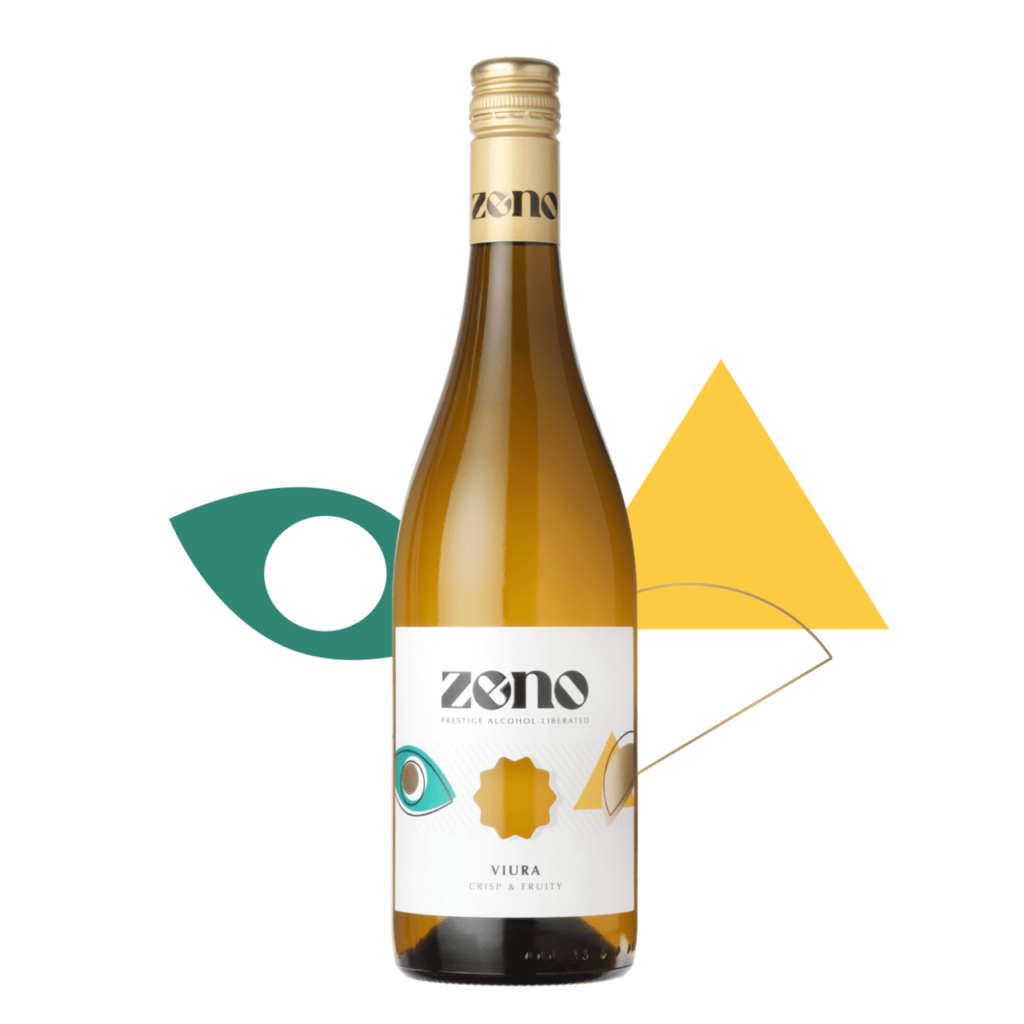
Zeno Viura in Italy with Wine Terroir Import
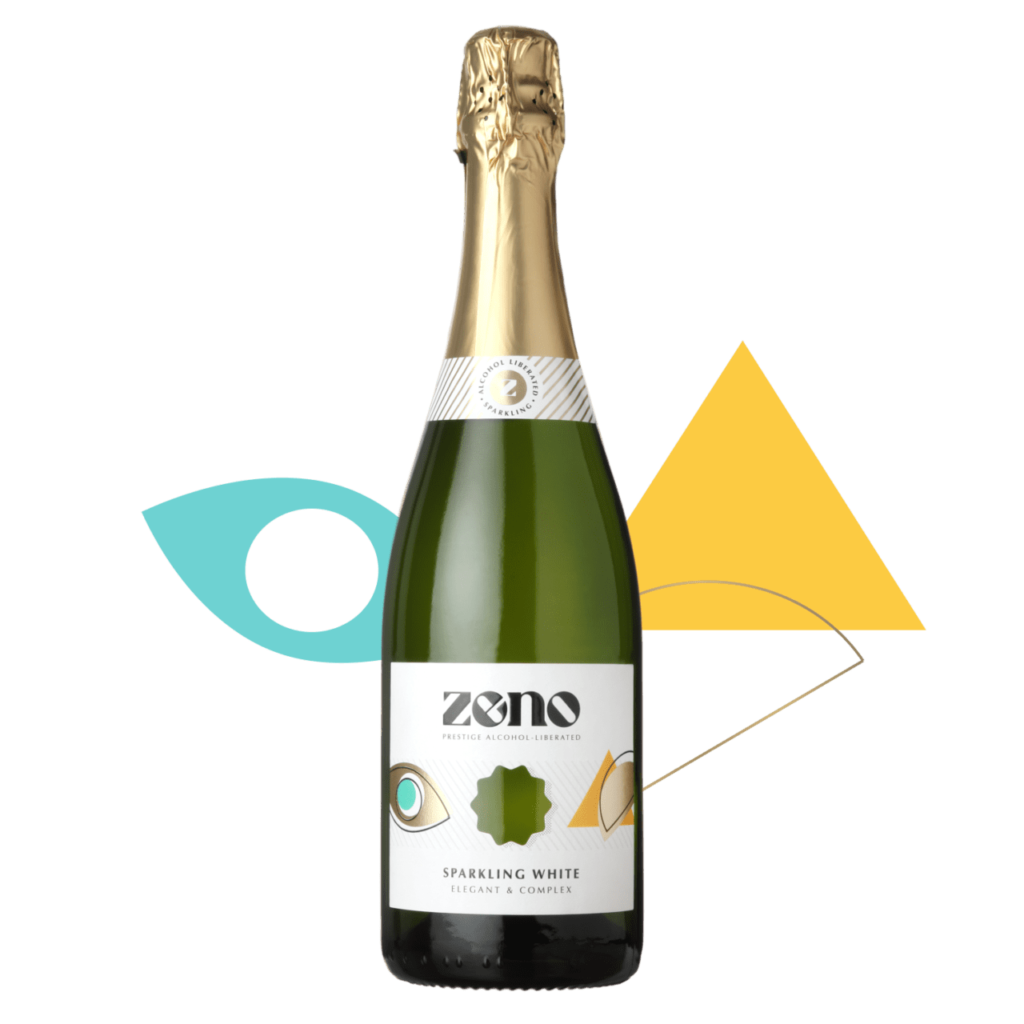
Zeno Sparkling White in Italy with Wine Terroir Import
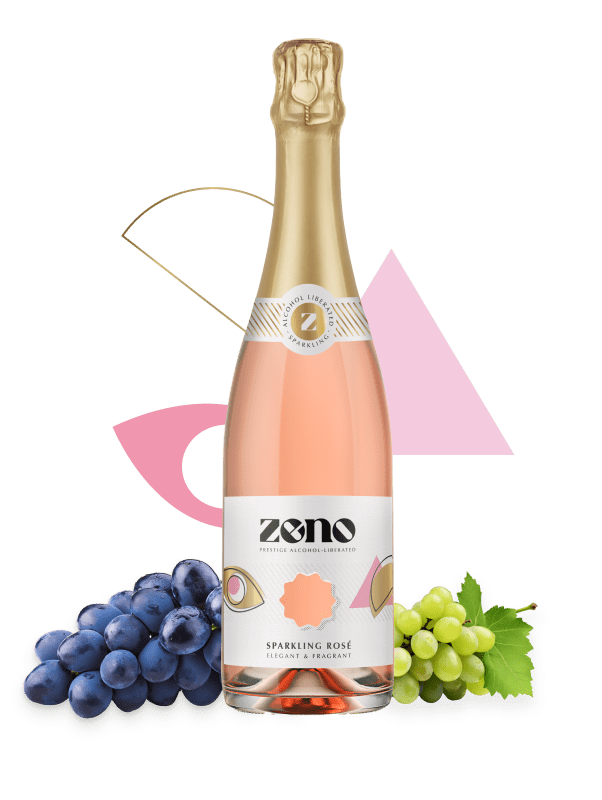
Zeno Sparkling Rosé in Italy with Wine Terroir Import
The founder, Roberto Vanin, was born and raised in Treviso. And as a true Venetian, he discovered as a boy that happiness could be summoned with a simple phrase: “Grab a bottle of bubbles”. In Roberto's family, celebrations and the best moments were always marked by sparkling wine, affectionately known as “Bolle” (bubbles). Roberto's passion for bubbles led him to study Oenology and then Chemistry at the University of Padua, with the aim of making sparkling wine inclusive and suitable for everyone. Now, more than thirty years later, Roberto has turned that passion into reality, with the mission of creating the world's finest range of alcohol-free wines, starting from Spain.
What sets BOLLE dealcoholised wines apart is that the company has researched and developed its own non-Saccharomyces yeasts to achieve a genuine second fermentation that produces no alcohol, thus mirroring the method used for traditional sparkling wines.
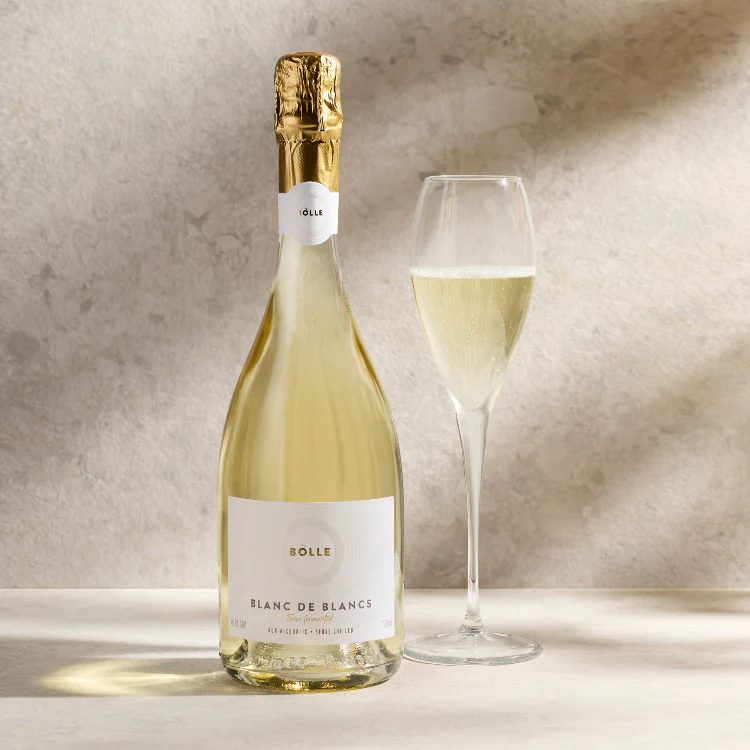
Bolle Sparkling Blanc de Blancs in Italy with Wine Terroir Import
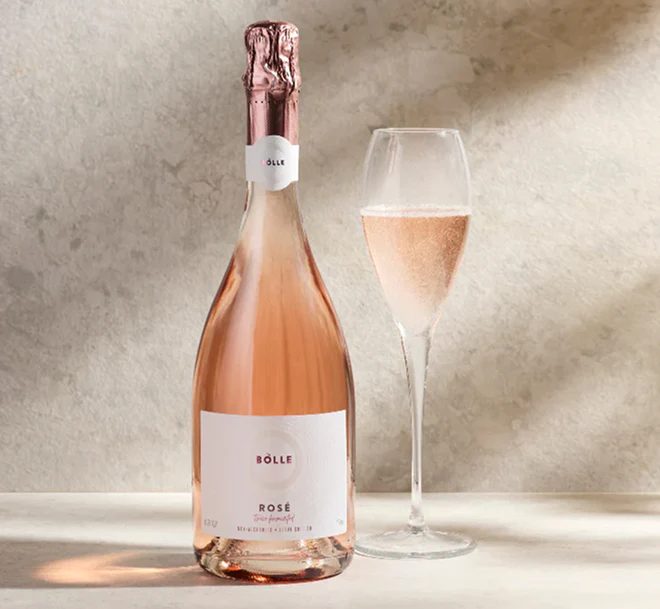
Bolle Sparkling Rosé in Italy with Wine Terroir Import
Hollow Leg - Alcohol Free from Galicia, Spain
Hollow Leg is first and foremost a diverse group of wine producers and lovers. The project grew out of a simple observation: "we drink wine because we love the taste... but sometimes we drink too much!" Ronan Farrell, Pablo Martinez and Jamie O'Toole found themselves searching for an alcohol-free wine that satisfied them, to no avail. Pablo, a young winemaker and producer in Galicia, therefore decided to make his vineyards and winery available.
His revolutionary approach uses elements already present in the grapes and in the wine production processes, employing various post-dealcoholisation techniques. The result is an alcohol-free wine, made with organic ingredients, that retains the palate structure, flavour and aroma of the grapes, while eliminating the need for chemicals, added sugar or unusual added flavourings.
With the added benefit that a 150 ml glass of Hollow Leg contains just 0.3 grams of sugar and 6 calories!
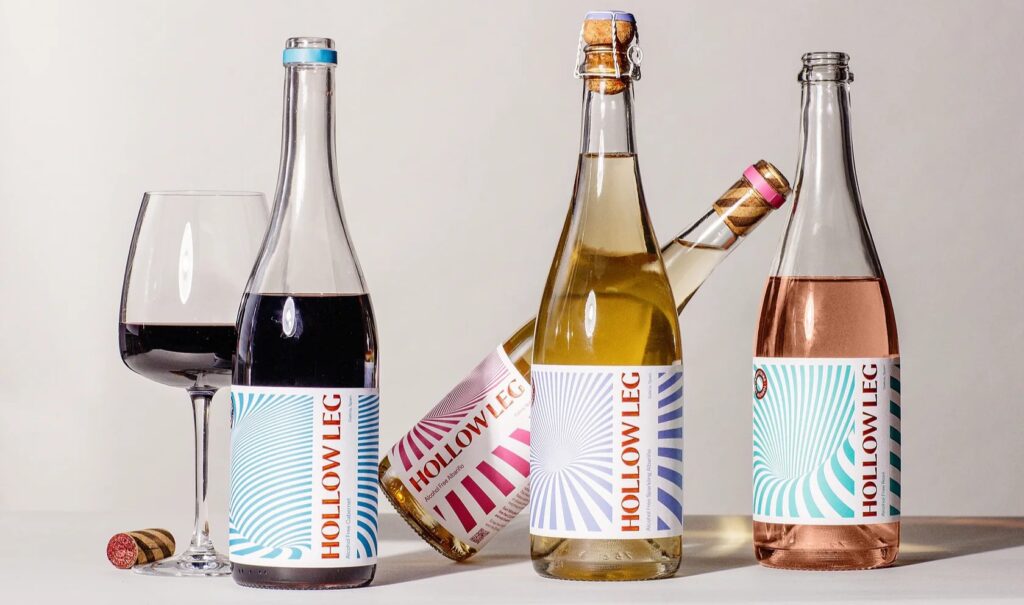
The Hollow Leg Dealcoholised Wine Range in Italy with Wine Terroir Import
Bibliography and Online Sources:
IWSR (2024) "No- and Low-Alcohol Strategic Study 2024": https://www.theiwsr.com/insight/growth-of-4bn-expected-from-no-alcohol-category-by-2028/
Nielsen IQ (2023) "2023 Consumer Outlook Survey"
Liguori, L., et al. (2021) "Production of Low-Alcohol Beverages: Current Status and Perspectives" - Food Technology and Biotechnology - doi:10.1016/b978-0-12-811447-6.00012-6
Italiano, L., Kumar, Y., Schmitt, M., & Christmnann, M. (2025). Comparison of the principal production methods for dealcoholised wine based on analytical parameters: This is an original research article submitted in cooperation with Macrowine 2025. OENO One, 59(2). https://doi.org/10.20870/oeno-one.2025.59.2.8488
Catarino, M., & Mendes, A. (2011). Dealcoholizing wine by membrane separation processes. Innovative Food Science & Emerging Technologies, 12(3), 330–337. doi:10.1016/j.ifset.2011.03.006
Contreras A, Hidalgo CHenschke PA, Chambers PJ, Curtin C, Varela C. 2014. Evaluation of Non-Saccharomyces Yeasts for the Reduction of Alcohol Content in Wine. Appl Environ Microbiol 80:. https://doi.org/10.1128/AEM.03780-13
Oro, C.E.D.; Puton, B.M.S.; Venquiaruto, L.D.; Dallago, R.M.; Arend, G.D.; Tres, M.V. The Role of Membranes in Modern Winemaking: From Clarification to Dealcoholization. Membranes 2025, 15, 14. https://doi.org/10.3390/membranes15010014
Canonico L., Comitini F., Oro L. and Ciani M. (2016). Sequential Fermentation with Selected Immobilized Non-Saccharomyces Yeast for Reduction of Ethanol Content in Wine. Front. Microbiol. 7:278. doi:10.3389/fmicb.2016.00278
Akhtar, W., Ceci, A. T., Longo, E., Marconi, M. A., Lonardi, F. & Boselli, E. (2025). Dealcoholized wine: Techniques, sensory impacts, stability, and perspectives of a growing industry. Comprehensive Reviews in Food Science and Food Safety ,24 ,e70171. https://doi.org/10.1111/1541-4337.70171
Veiga-del-Baño, J.M.; Cuenca-Martínez, J.J.; Oliva, J.; Cámara, M.Á.; Andreo-Martínez, P. Total Dealcoholisation of Wines by Very Low Temperature Vacuum Distillation Technology Called GoLo. Beverages 2024, 10, 32. https:// doi.org/10.3390/beverages10020032
FactMR 2024: Non-Alcoholic Wine Market Outlook (2025 to 2035): https://www.factmr.com/report/4532/non-alcoholic-wine-market