
Exploring Riesling and its expressions through terroir, winemaking techniques, traditions and the regions of Alsace, the Pfalz and the Mosel
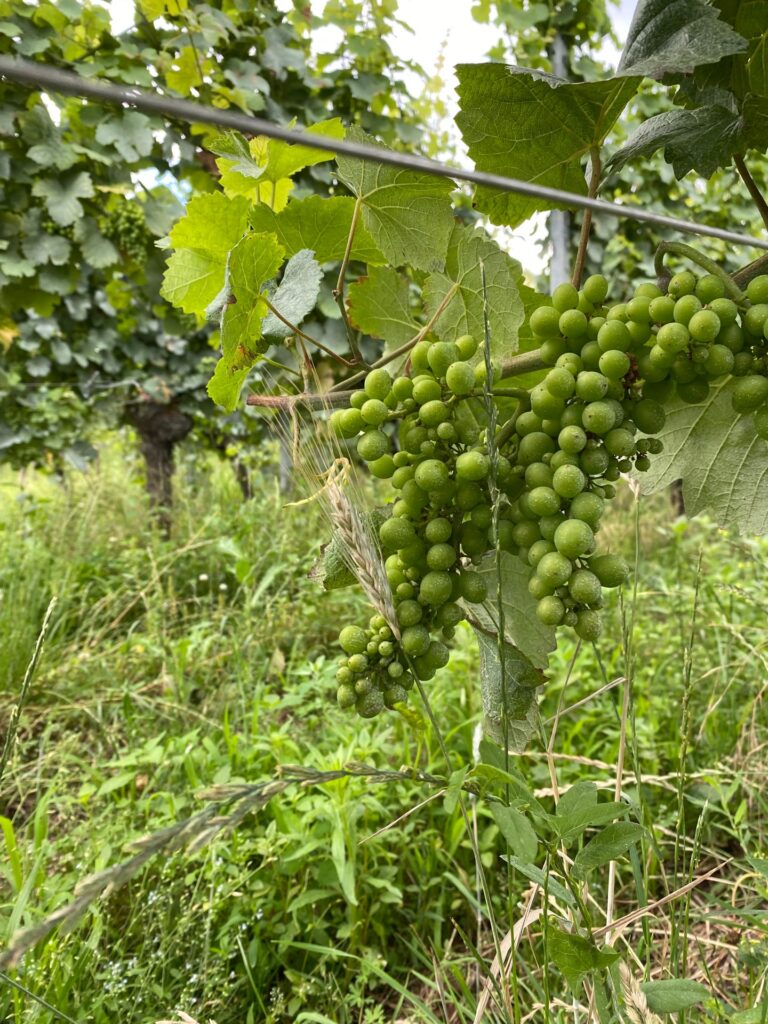
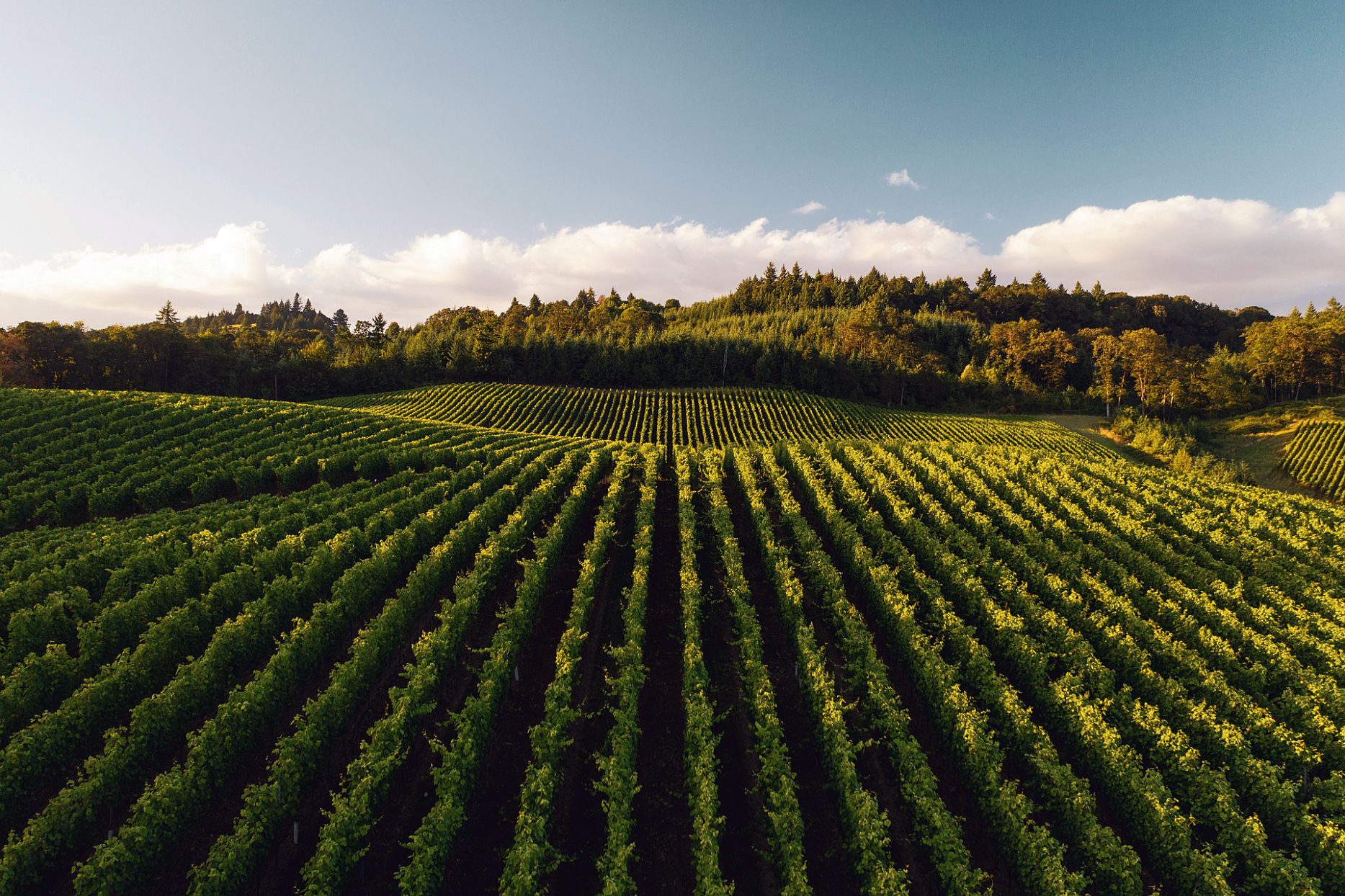
Riesling during the growing season – July, Pfalz
Riesling, the noble grape par excellence, is a fascinating enigma in the world of viticulture. Its extraordinary ability to express terroir, combined with an almost unrivalled versatility, makes it a subject of study and admiration among winemakers and wine lovers alike.
In this short Guide to Riesling we will take a closer look at the characteristics of the grape and the wines it produces, to help you understand Riesling and its expressions in their entirety.
We will concentrate above all on the areas that are the focus of our Wine Distribution Catalogue, namely Alsace and Germany; that said, Riesling of excellent and distinctive quality can be found in many other countries around the world.
Riesling: Ampelographic and Agronomic Characteristics
The Riesling vine stands out for its unique morphology. Its small, compact bunches carry small to medium-sized berries with thin skins, a crucial trait for aromatic development. The leaf, typically pentagonal and variable in shape, is a distinctive feature in the vineyard.
Riesling's late phenology, with mid-season budburst and a long, drawn-out ripening period, is key to understanding its preference for cool climates. This allows the aromatic profile to develop slowly and gradually, contributing to the complexity of the resulting wines.
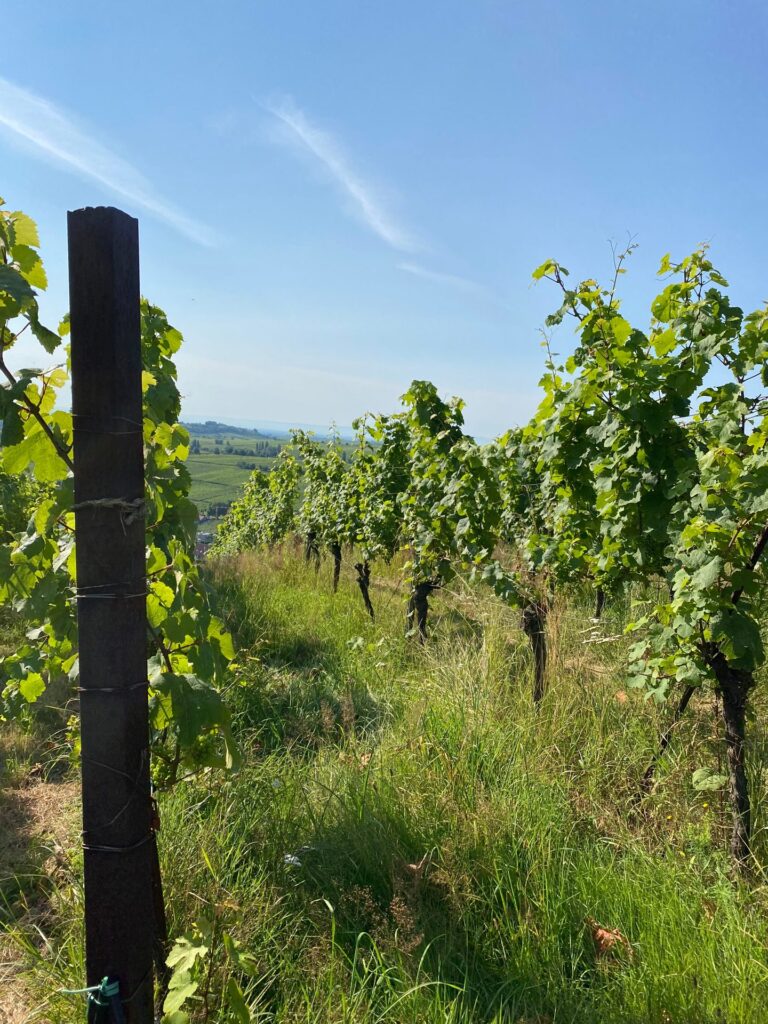
Riesling: Soil and Climate Requirements and Vineyard Management
Riesling shows remarkable adaptability, thriving in conditions that many varieties would find prohibitive. It favours well-drained, free-draining soils rich in elements such as potassium and magnesium, often schistous in nature. Its ability to express terroir is especially evident in vineyards on steep slopes, where the poor fertility of the soil helps to concentrate the organoleptic characteristics of the grapes.
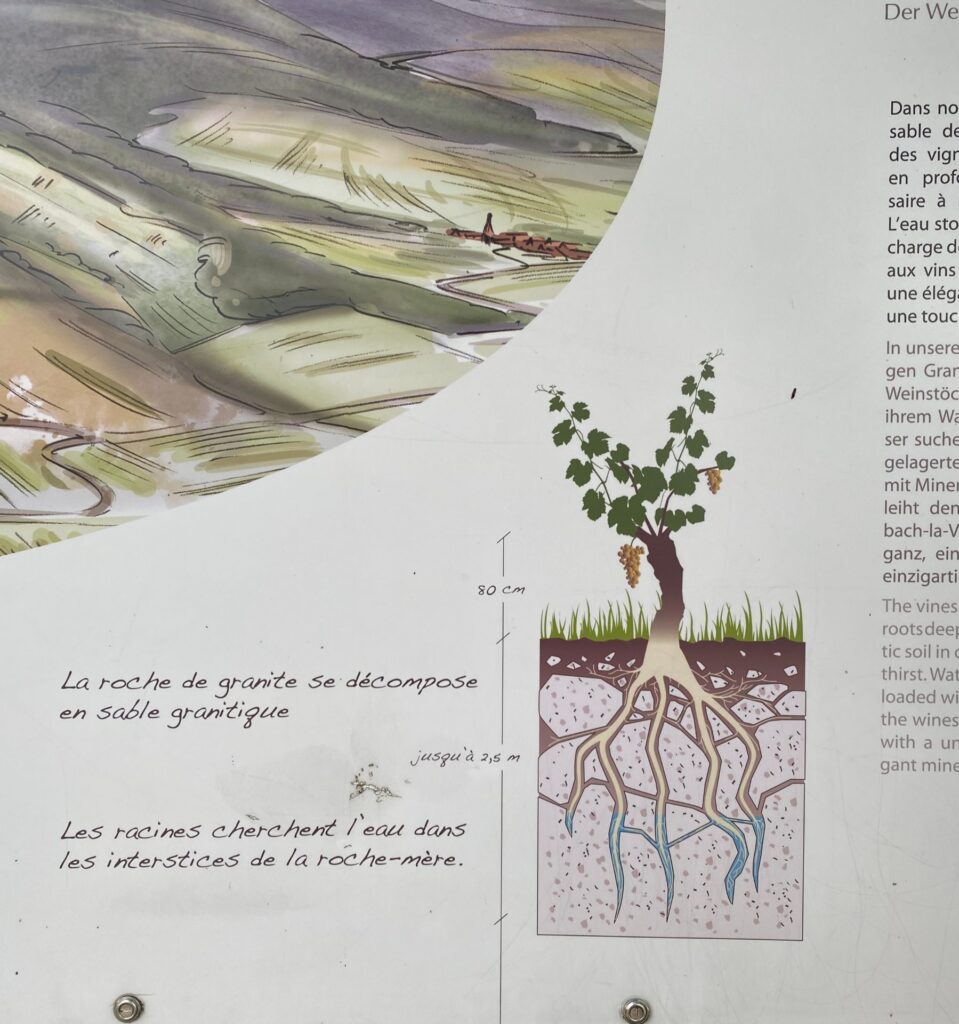
Interactions between soils and Riesling roots
Vineyard management for Riesling calls for a deep understanding of the interaction between the vine and its environment. The most common training systems, such as single or double Guyot, must be adapted to the specific conditions of the site. Planting density, which can range from 4,000 to 8,000 vines per hectare, has a significant influence on grape quality. Yield control, crucial for producing high-quality wines, generally aims for 60–80 q/ha, although in some areas yields can reach 100–120 q/ha for lighter styles without any loss of quality.
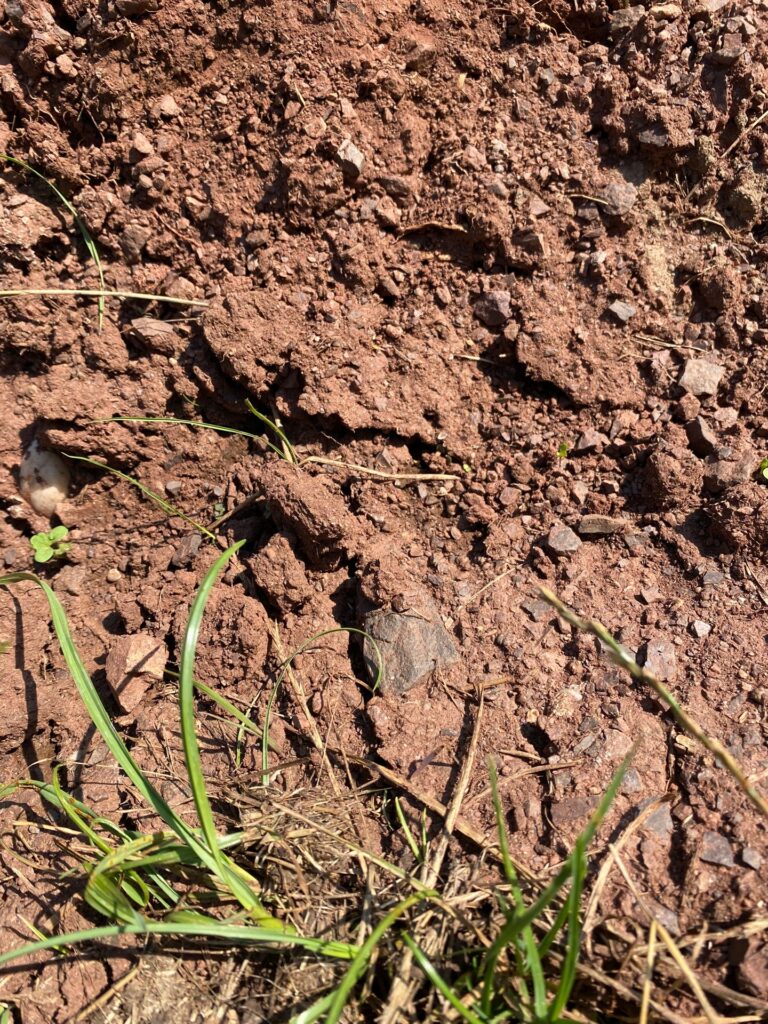
Slate soils in the Pfalz
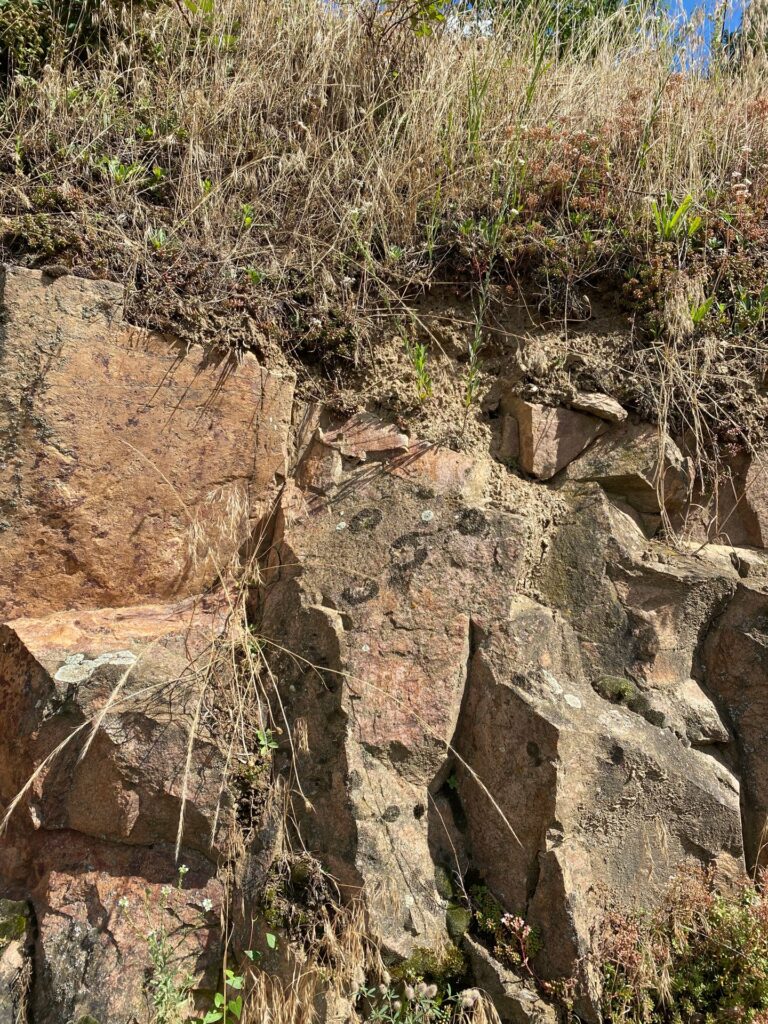
Granite soils in Alsace
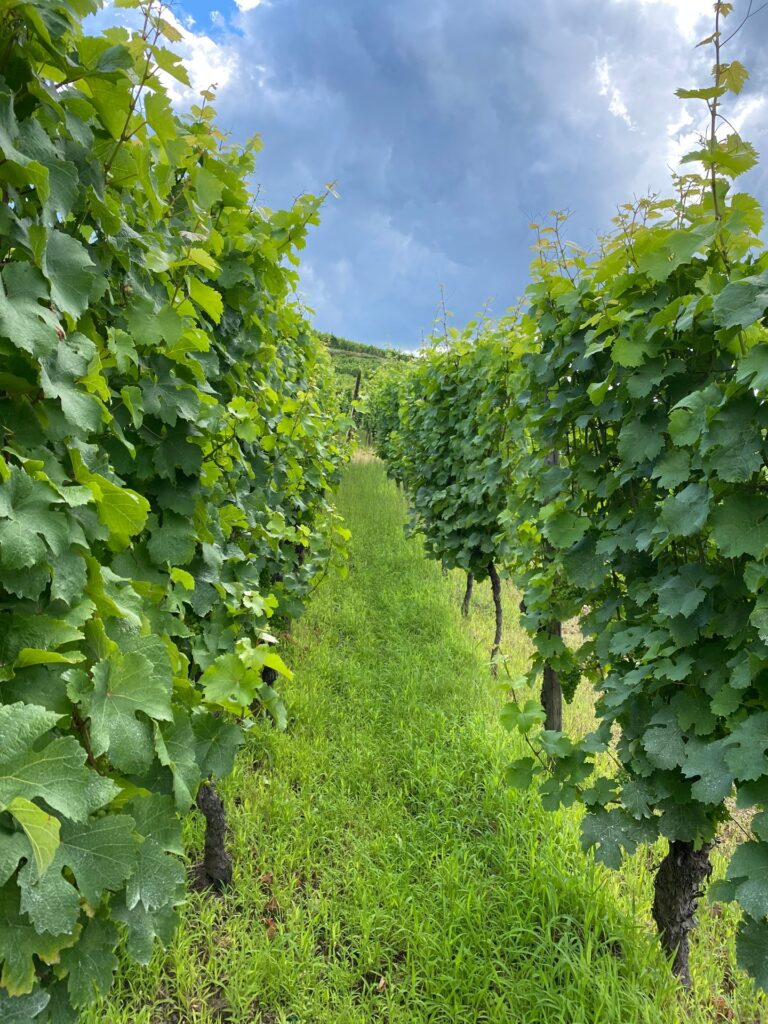
Canopy management
Canopy management is a critical aspect of growing Riesling. The balance between sun exposure and shading directly influences the development of aroma precursors, in particular TDN (1,1,6-trimethyl-1,2-dihydronaphthalene), which is responsible for the characteristic petrol notes. Excessive exposure can lead to premature development of these aromas, while inadequate cover can compromise aromatic complexity.
The grower's challenge lies in adjusting this exposure according to the climatic conditions of the vintage, seeking the right balance between phenolic ripeness and aromatic development.
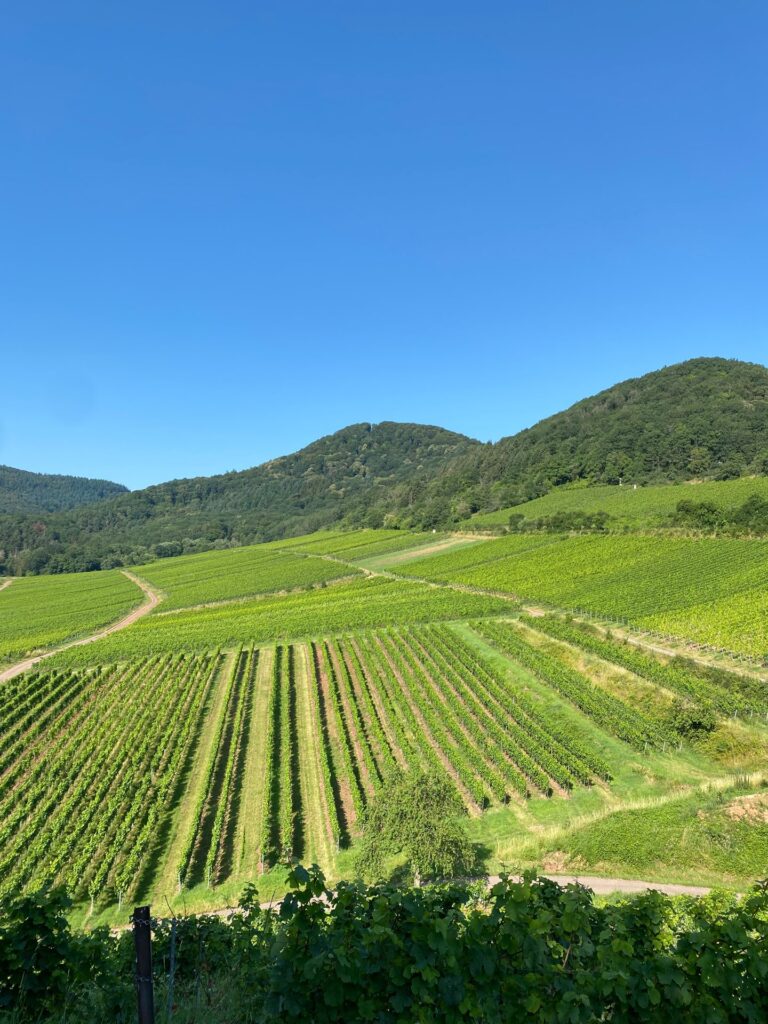
View over Birkweiler, Pfalz
Riesling: Biochemical Profile and Traditional and Natural Winemaking
The biochemical profile of Riesling is characterised by high total acidity, which can range from 6 to 9 g/L (expressed as tartaric acid), with malic and tartaric acid predominating. This marked acidity is fundamental to the balance and longevity of the wines. Potential alcohol varies, ranging from 9% to over 13% abv, depending on the winemaking style.
The most significant aroma precursors include monoterpenes such as linalool, geraniol and nerol, as well as norisoprenoids such as TDN. These compounds are responsible for an aromatic palette that ranges from citrus and flowers to the more complex petrol notes that develop with ageing.
Riesling winemaking demands meticulous care to preserve its delicate aromatic structure. Conventional traditional techniques include:
1. Gentle whole-bunch pressing to avoid extracting undesirable phenolic compounds.
2. Static settling of the must at low temperatures (8–10°C) for 12–24 hours.
3. Temperature-controlled fermentation, typically at 15–18°C, in stainless steel tanks to preserve aromatic freshness.
4. In some cases, stopping fermentation by filtration or the addition of SO2 to retain the desired level of residual sugar.
However, a natural winemaking approach, or at least one more respectful of natural timescales and biochemical processes, is gaining ground, offering alternative methods that respect the intrinsic nature of the grape:
- Natural clarification: instead of artificial fining, some producers opt for natural settling or the use of natural bentonite.
- Spontaneous fermentation: the use of indigenous rather than selected yeasts, allowing a slower fermentation that tends to give more complex results.
- Minimal SO2: reducing or eliminating the use of sulphites, relying on Riesling's natural acidity and low pH as a natural preservative.
- No filtration: some producers choose not to filter, or to filter only minimally, in order to preserve the wine's complexity.
In some parts of Alsace and Germany, the tradition of fermenting in old, neutral wood is being revived, particularly in large oak casks (foudres). This technique allows controlled micro-oxygenation, adding to the wine's complexity without imparting obvious oak notes.
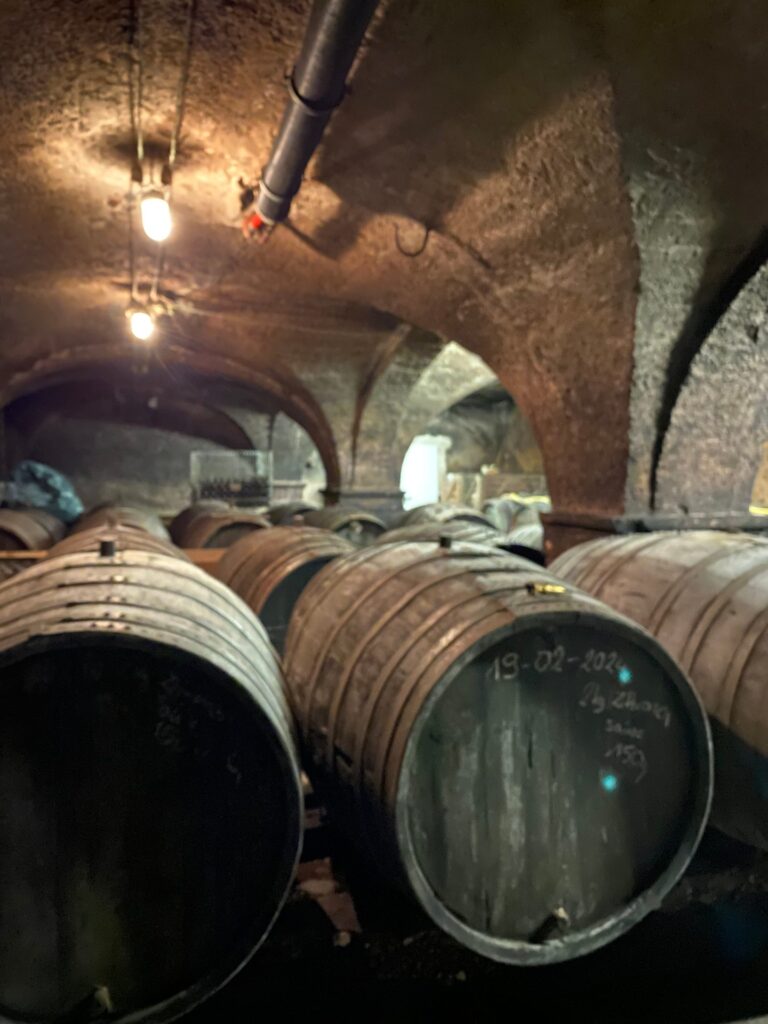
Wooden casks in the Mosel
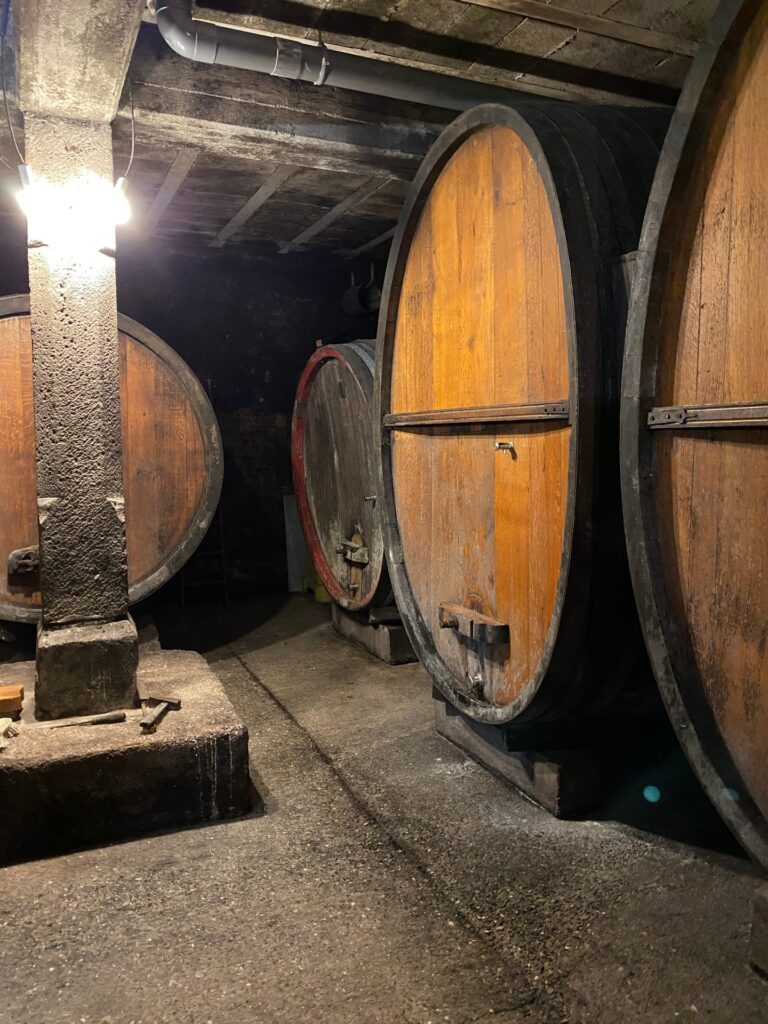
Wooden casks in Alsace
Riesling and Classifications: The Prädikat Scale and the VDP
The Prädikat scale, used mainly in Germany, offers a unique system for classifying Riesling wines according to the ripeness of the grapes, measured in degrees Oechsle (°Oe). The scale comprises:
1. Deutscher Wein (formerly Tafelwein): minimum 50°Oe
2. Landwein: minimum 55°Oe
3. Kabinett: 67–85°Oe
4. Spätlese: 76–95°Oe
5. Auslese: 83–105°Oe
6. Beerenauslese (BA): 110–128°Oe
7. Trockenbeerenauslese (TBA): minimum 150°Oe
In addition, Eiswein, made from grapes frozen on the vine, requires a minimum of 110°Oe.
This classification allows for a range of styles from light, dry wines to sweet, contemplative nectars, demonstrating Riesling's incredible versatility.
It is worth noting that, while the Prädikat scale is specific to Germany, producers in other regions may seek to emulate these styles, even though they cannot officially use the terminology.
In addition to the Prädikat scale, the term "Trocken" is used in Germany to denote dry wines.
Important: a Riesling can therefore be, for example, a "Spätlese Trocken", indicating a late-harvest wine vinified in a dry style.
As an alternative to the Prädikat scale, which focuses mainly on grape ripeness, the VDP (Verband Deutscher Prädikatsweingüter) classification system is growing in importance.
The VDP takes a terroir-based approach, similar to the French appellation system (AOC). The VDP classification includes:
1. Grosse Lage: equivalent to Grand Cru, representing the finest vineyards.
2. Erste Lage: equivalent to Premier Cru.
3. Ortswein: "village" wines, from vineyards within a single municipality.
4. Gutswein: "estate" wines, from all or part of the estate's own holdings only.
This classification aims to highlight the importance of specific terroir in the production of Riesling, offering an alternative to the Prädikat scale, which concentrates more on the characteristics of the grapes at harvest.
The coexistence of these classification systems in Germany reflects the complexity and richness of the Riesling winemaking tradition, allowing producers to communicate different aspects of their wines' quality, both in terms of grape ripeness and expression of terroir.
Riesling: Regional Expressions in Alsace and Germany
Riesling finds its noblest expressions in a number of regions, each with its own unique characteristics. We will now explore those closest to our hearts, focusing on the regions of the producers in our Wine Distribution Catalogue.
Riesling in Alsace
In Alsace, Riesling finds a unique expression, characterised by dry, structured and savoury wines, thanks in part to the region's granite and limestone soils. Alsace's granite and limestone soils produce Rieslings that are typically fuller-bodied than their German cousins, with aromas ranging from citrus to white flowers, often with petrol notes (TDN) that develop with age. Total acidity is generally more moderate (5–7 g/L) than in German wines, with a pH of around 3.2–3.4. Grands Crus such as Schlossberg are renowned for their longevity and aromatic complexity, with flinty notes attributed to sulphur compounds such as benzenemethanethiol.
The Grand Cru Frankstein in Dambach-la-Ville deserves special mention. Its granite soils with inclusions of mica and quartz produce Rieslings with well-defined acidity (7–8 g/L) and a low pH (3.0–3.2). These wines are marked by intense notes of citrus and white flowers and, with age, develop complex petrol and spice aromas.
Benchmark producers:
Domaine Bernard Haas, in Kaysersberg (Schlossberg)
Famille Dietrich Vignerons, in Dambach-la-Ville (Frankstein)
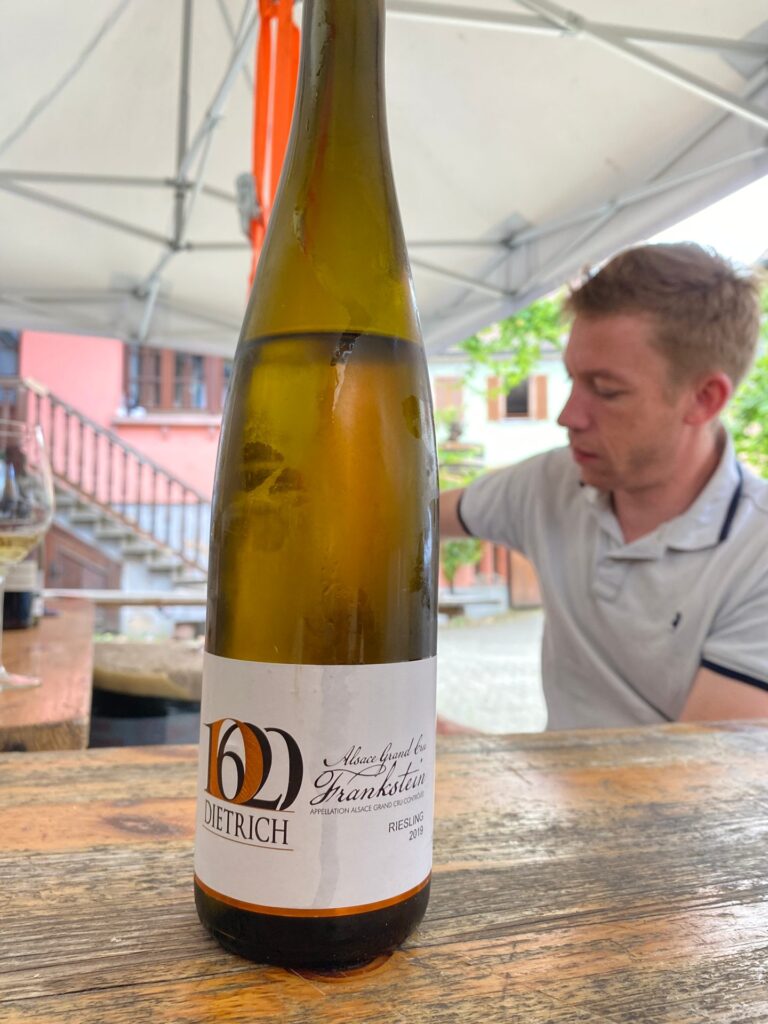
Alexis Dietrich and Riesling Grand Frankstein
Riesling in the Palatinate (Pfalz)
The Palatinate, or Pfalz, has a warmer climate than other German regions, resulting in richer, fruitier Rieslings. Its varied soils, ranging from basalt to loess, help to create wines of great complexity.
Basalt and loess soils contribute to a higher concentration of potassium in the wines, influencing the pH (3.0–3.2) and the perception of acidity. The Birkweiler area, with its limestone soils, produces wines with high total acidity (7–8 g/L) and pronounced notes of citrus and green apple.
The Birkweiler area, with its limestone soils, is considered one of the best in the Pfalz for Riesling, producing wines with high total acidity (7–8 g/L) and pronounced notes of citrus and green apple. Birkweiler is home to several outstanding vineyards, producing wines that combine fruity richness with structure, complexity and acidity:
Dachsberg Erste Lage: set on a steep limestone slope, it produces Rieslings of extraordinary finesse and savouriness. The wines are characterised by vibrant acidity (7–8 g/L) and intense aromas of citrus and flint. Their structure allows for significant ageing.
Kastanienbusch Grosse Lage: this vineyard, with its soil rich in red sandstone and quartz, produces Rieslings of great complexity. The wines are known for their aromatic power, with notes of ripe yellow fruit, herbs and a distinctive smoky note. Acidity is generally more moderate than in Dachsberg, but still very much present.
Kastanienbusch Köppel Grosse Lage: a specific parcel within Kastanienbusch, at the summit, with soils even richer in quartz. Here, the Rieslings tend to be more concentrated and structured, with marked salinity and savoury notes reminiscent of graphite. These wines are often capable of ageing for decades.
Benchmark producers:
Weingut Dr. Wehrheim, in Birkweiler
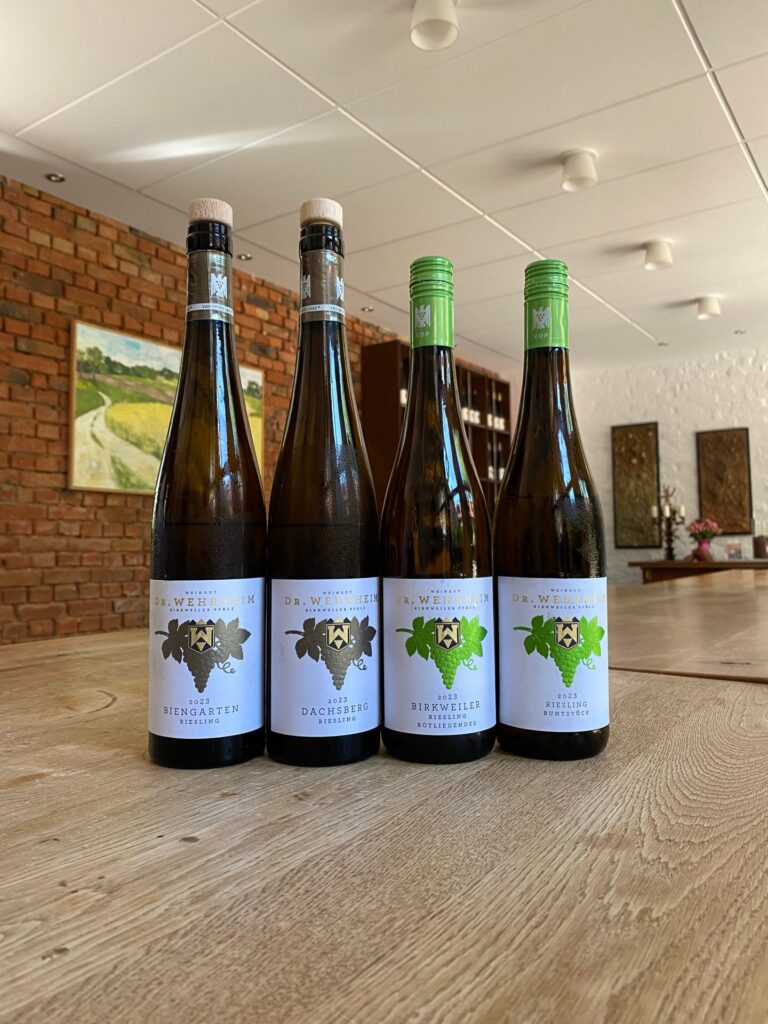
Riesling Weingut Dr. Wehrheim
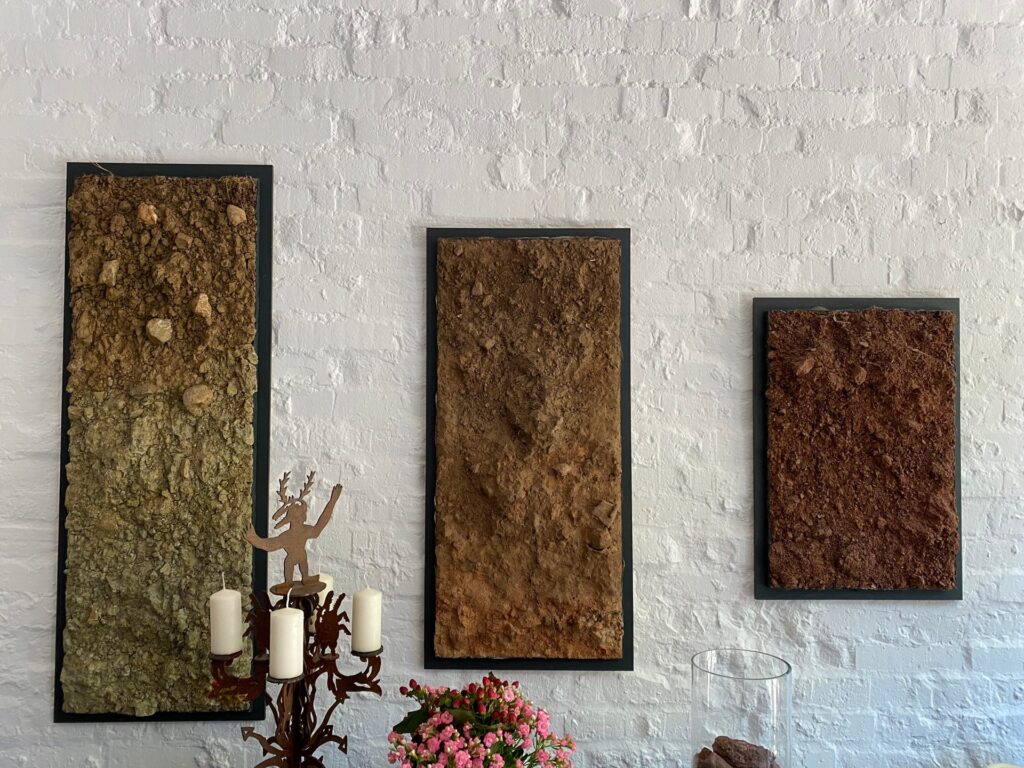
Soils in the Pfalz
Riesling in the Mosel and the Saar Valley
The Mosel, with its steep slate slopes, is considered Riesling's spiritual home. The wines of this region are renowned for their extreme finesse, very high acidity (up to 9–10 g/L), low pH (2.8–3.0) and modest alcohol (8–11% abv).
The Saar Valley, a tributary of the Mosel, is renowned for producing some of the finest and longest-lived Rieslings in the world. The climate here is cooler than in the main Mosel, resulting in wines with even more pronounced acidity and often lower alcohol (7.5–11% abv).
The soils of the Saar are dominated by blue and grey slate, which gives the wines an intense savouriness and an acid structure that allows for extended ageing. The pH of Saar wines is typically very low (2.75–2.95), contributing to their remarkable freshness and longevity.
The Saar is home to several outstanding vineyards, sought after worldwide for their complexity, longevity and finesse:
Scharzhofberger Grosse Lage: considered one of the finest vineyards in all of Germany, Scharzhofberger produces Rieslings of extraordinary finesse and complexity. The blue-grey slate soils give the wines an almost smoky note, with aromas ranging from citrus to herbs and wet stone. The acidity is cutting yet perfectly integrated, allowing these wines to age for decades. With age, they develop complex petrol and spice notes.
Kanzemer Altenberg Grosse Lage: this steep, south-facing vineyard produces Rieslings of great intensity and concentration. The wines are characterised by marked acidity, with notes of flint and citrus. The acidity is vibrant and the structure allows for extended ageing. Over time, these wines develop aromatic complexity including notes of honey and dried fruit.
Oberemmeler Hütte Grosse Lage (Monopole): this prestigious vineyard in the Saar Valley is renowned for its south-south-west exposure and its blue-grey slate soils. The Rieslings produced here are characterised by lively acidity (typically 7.5–9 g/L) and intense savouriness. Aromas range from fresh citrus to aromatic herbs, with a pronounced sulphurous note. Oberemmeler Hütte excels in the production of feinherb (off-dry) Riesling, where a subtle touch of residual sugar perfectly balances the acidity. The dry (trocken) versions are also highly prized for their aromatic purity. With age, these wines develop complex notes of petrol, honey and dried fruit while retaining remarkable freshness. Indeed, it is today a declared Monopole of Weingut Von Hovel.
Benchmark producers:
Weingut Von Hovel, in Konz-Oberemmel
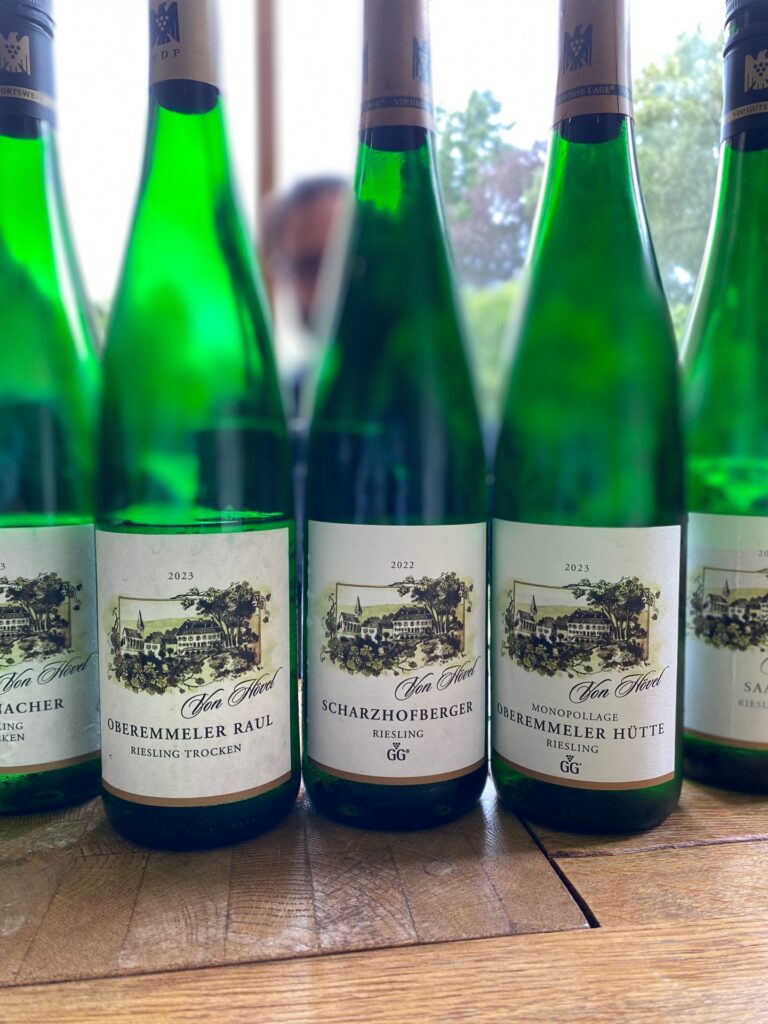
Riesling Weingut Von Hovel
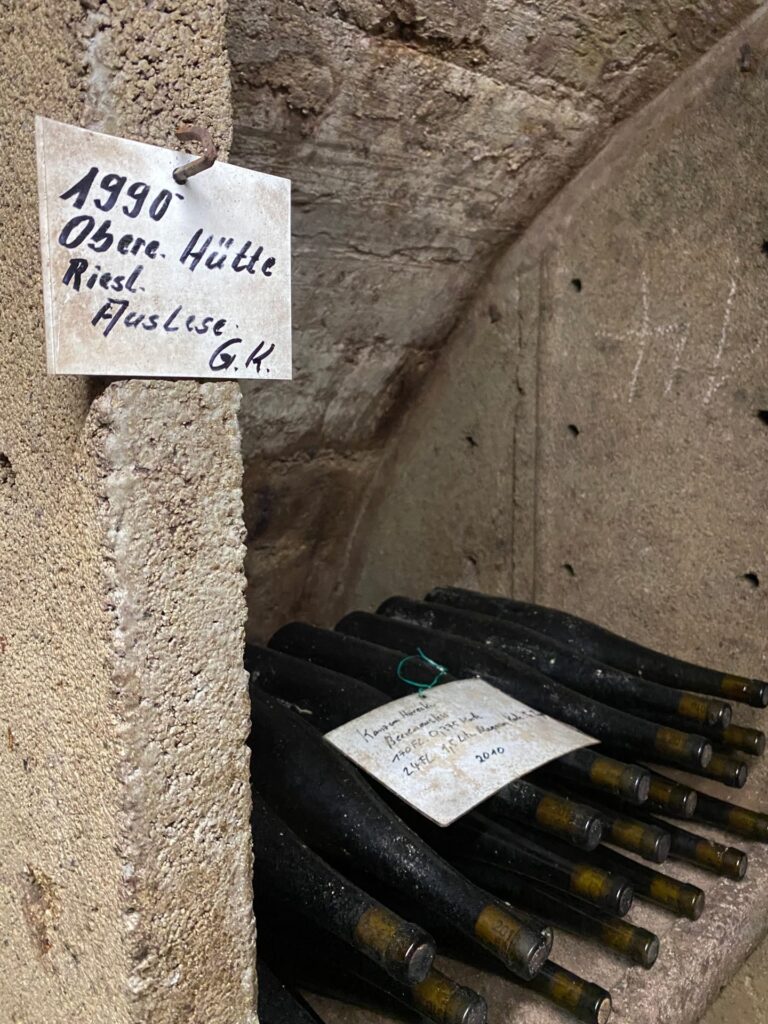
Older Riesling vintages
In both these regions, the Pfalz and the Saar Valley, the interaction between Riesling and its specific terroir produces wines of extraordinary diversity and quality. Riesling's ability to express the nuances of soil and microclimate with precision is fully evident in these prestigious vineyards, offering wine lovers a wide range of expressions, from the fruity power of the Pfalz to the ethereal elegance of the Saar.
Riesling: Conclusions
Riesling remains one of the most fascinating and versatile grapes in the world of wine. Its ability to express terroir with almost scientific precision, combined with its extraordinary range of styles, makes it an inexhaustible subject of study and appreciation. From vineyard management to winemaking techniques, from regional expressions to quality classifications, Riesling continues to challenge and delight producers and wine lovers alike, confirming its place as one of the great protagonists of world viticulture.
Wine Terroir Import is the official importer and distributor for Italy of the following producers: Domaine Bernard Haas, Famille Dietrich Vignerons, Weingut Dr. Wehrheim, Weingut Von Hovel.
For information, to order and buy the wines, or for anything else you would like to know, email us at info@wineterroir.it