
A cuisine claimed by many cultures and lands, united by shared recipes and the use of spices: an analysis of its various organoleptic components and our food and wine pairing suggestions
This week we return to food and wine pairing, turning our attention to a vast area, the Middle East, united by a shared repertoire of classic dishes and preparations.
Missed our previous articles on food and wine pairing? Here they are:
Talking about the Middle East means embracing a very large geographical area, made up of all the countries and territories lying between Western Asia and North Africa. These are countries with different cultures and varied, often troubled histories, which nonetheless find common ground in their cuisine.
Today the cuisines and culinary traditions of these countries have firmly established their place in the restaurant and Horeca trade, not least in delivery and takeaway. Understanding this cuisine and what to pair with its dishes therefore matters not only to restaurant sommeliers, but also to wine shops, bottle shops and wine bars selling wine to take away, who can then give their customers better advice on how to make a Middle Eastern dinner perfect.
As always, we will start with some general thoughts on the style of the dishes and the most common ingredients in Middle Eastern cuisine, followed by examples of how to pair a few dishes with a wine from the Wine Terroir Selection.
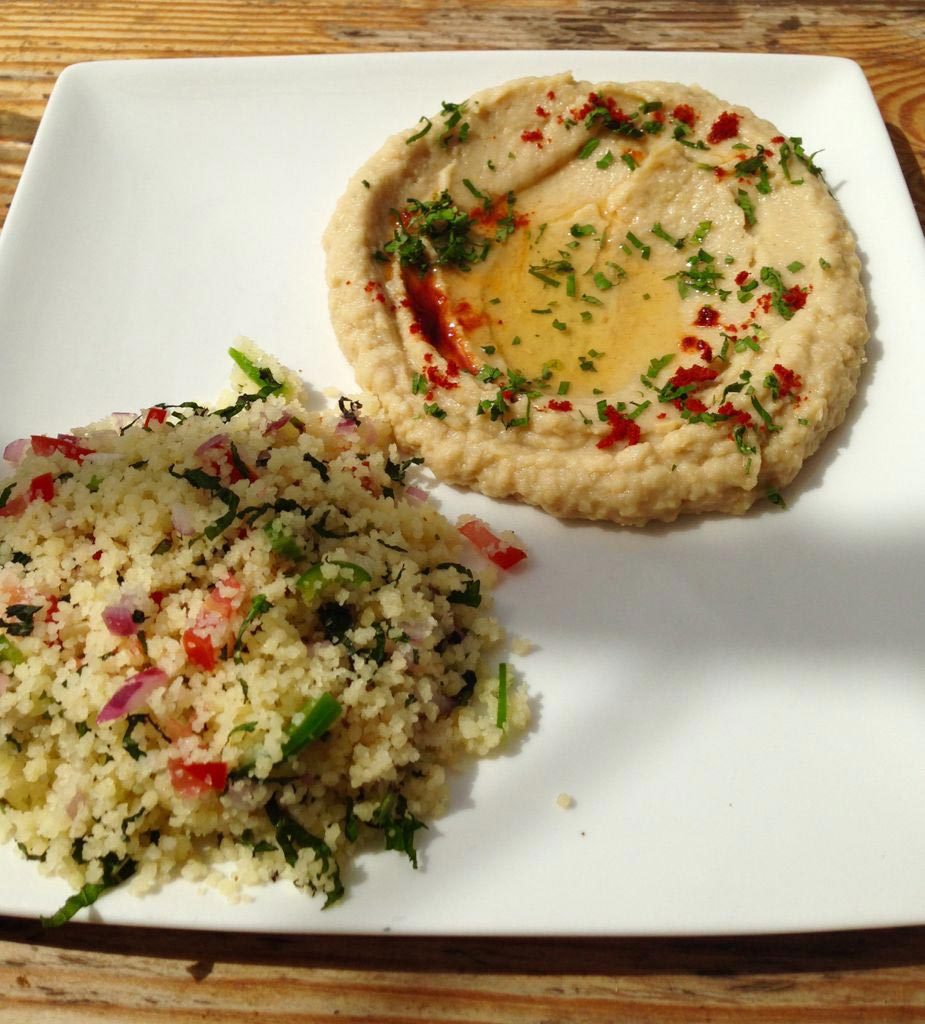
Couscous and hummus, two classic dishes of Middle Eastern cuisine
The style of Middle Eastern dining, between spices and shared dishes
For all its regional diversity, Middle Eastern cuisine is united by the use of spices that appear across its various cultures under different names. Among these, a widely used blend is the one known as Ras El Hanout or Baharat, which can contain as many as 30 different spices depending on the tradition. It is often used in couscous, but also in tagines (dishes named after the characteristic conical terracotta “pot” in which various stews are cooked).
Some dishes are found in every one of these countries, such as hummus (a chickpea purée made with tahini, a sesame seed paste) or falafel (fried chickpea or broad bean balls).
Meat is one of the staple ingredients of these cuisines. Think stews reminiscent of our own, but here made with spices, often with tomato purée and very commonly with dried fruit or pulses: the tagines of Morocco, Khoresh Bademjan (a stew with fried aubergines) from the Persian tradition, and Lubia (a bean stew) found, for example, in Algeria, Libya and Lebanon. These dishes are always served with couscous or pilaf rice.
Which spices and herbs are used most in Middle Eastern cuisine? Cumin takes the lion's share, followed by coriander, both ground (from the seeds) and as fresh leaves (which look rather like parsley), turmeric, chilli and pepper. Alongside these we also find sweeter spices such as cinnamon and liquorice. Garlic is also widely used in many dishes.
Which wine should you pair with such rich and complex dishes?
Middle Eastern dishes and wine: pairing hummus and falafel with Champagne
Let's begin with a category of dishes that is extremely well known and loved in Western and Italian culture too: starters, very simple dishes and recipes often found as street food, namely hummus and falafel.
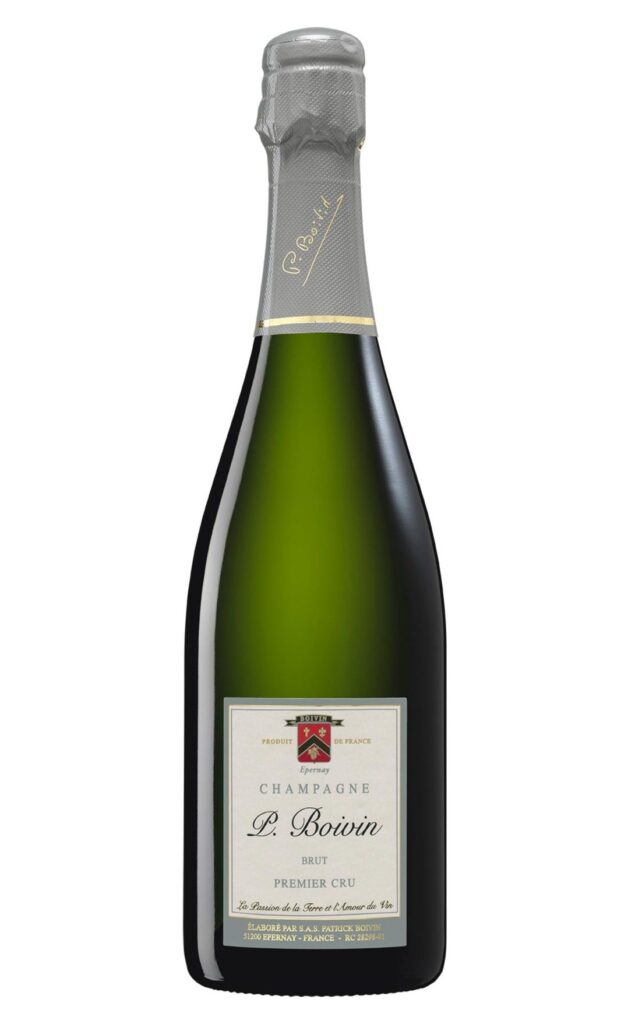
Champagne Blanc de Blanc Premier Cru Brut, Maison Patrick Boivin
To pair with the hummus and falafel of Middle Eastern cuisine we have chosen a sparkling wine: the Champagne Blanc de Blanc Premier Cru Brut from Maison Patrick Boivin.
This sparkling wine comes from one of the most famous and renowned areas of Champagne, Épernay, and is made entirely from Chardonnay. Although it is a non-vintage Champagne, the disgorgements currently on the market come exclusively from the 2014 harvest (vintage not declared) and have aged on the lees in the cellar for around 48 months.
We have opted for a single-varietal Chardonnay sparkling wine because these dishes are simple yet rich in fat. The bubbles and typical acidity of a sparkling wine are needed to counterbalance and cut through the fatty elements of these dishes: the tahini in the hummus and the frying in the case of falafel). The citrus notes that dominate the wine's profile pair perfectly with the lemon in the hummus, and lighten the weight on the palate of the pulses that form the basis of falafel.
Middle Eastern dishes and wine: pairing tagine with Pinot Noir
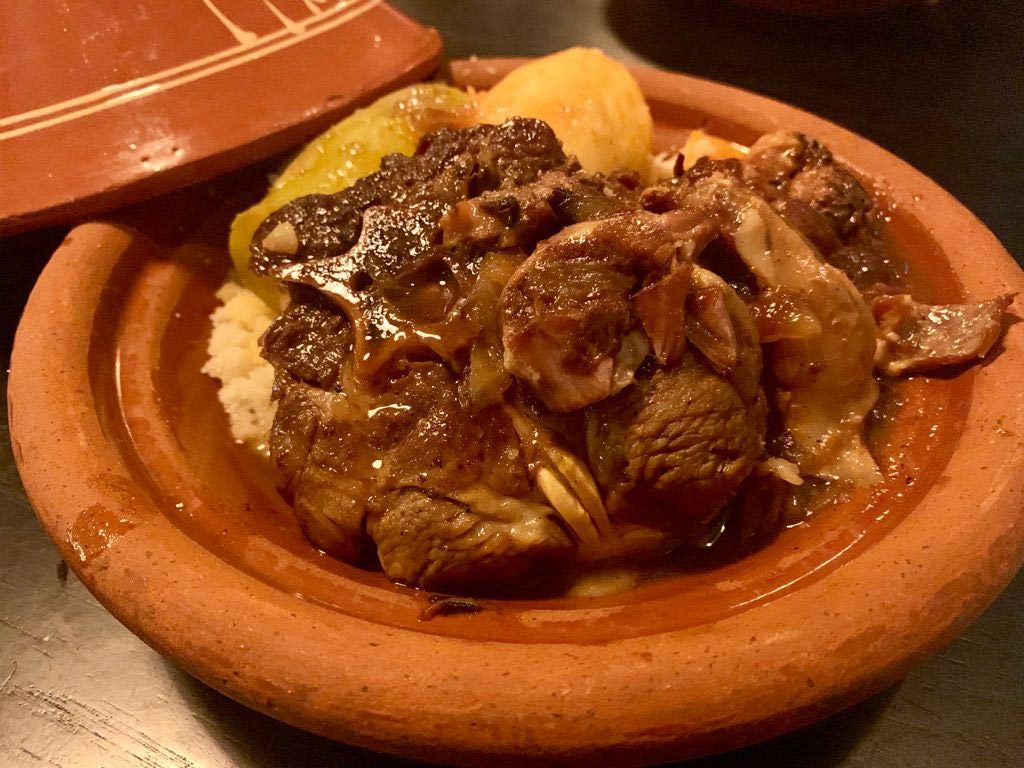
One of the best-known dishes, which many will have enjoyed on trips to the Middle East (especially Morocco), is lamb tagine served with couscous.
The recipe is a lamb stew (in fact usually mutton, i.e. from an adult sheep) slow-cooked for many hours in the characteristic conical terracotta pot. Along with the meat and the spices already mentioned, the recipe also includes blanched toasted almonds, caramelised onions, prunes and dried apricots. Thanks to the long cooking, the meat becomes very tender and the prunes almost completely break down, forming a creamy sauce with the rest of the cooking juices. The result is a fusion of flavours: the “exuberant” taste of the lamb, the sweetness of the dried fruit and onions, the crunch of the almonds and the savoury, gently spicy character of the spices.
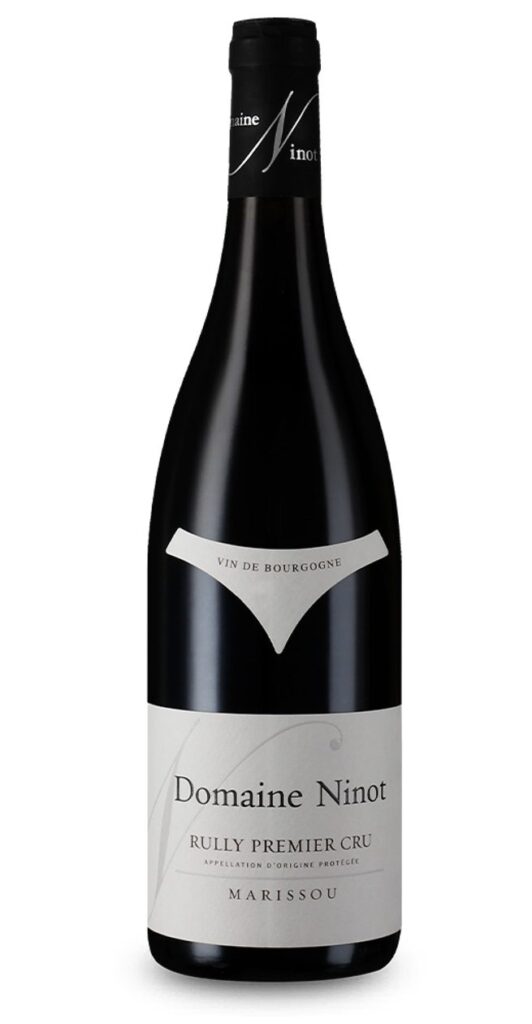
Domaine Ninot, Rully Premier Cru Marissou
To pair with the lamb tagine of Middle Eastern cuisine, a decidedly rich and complex dish, we have chosen the red Rully Premier Cru Marissou from Domaine Ninot.
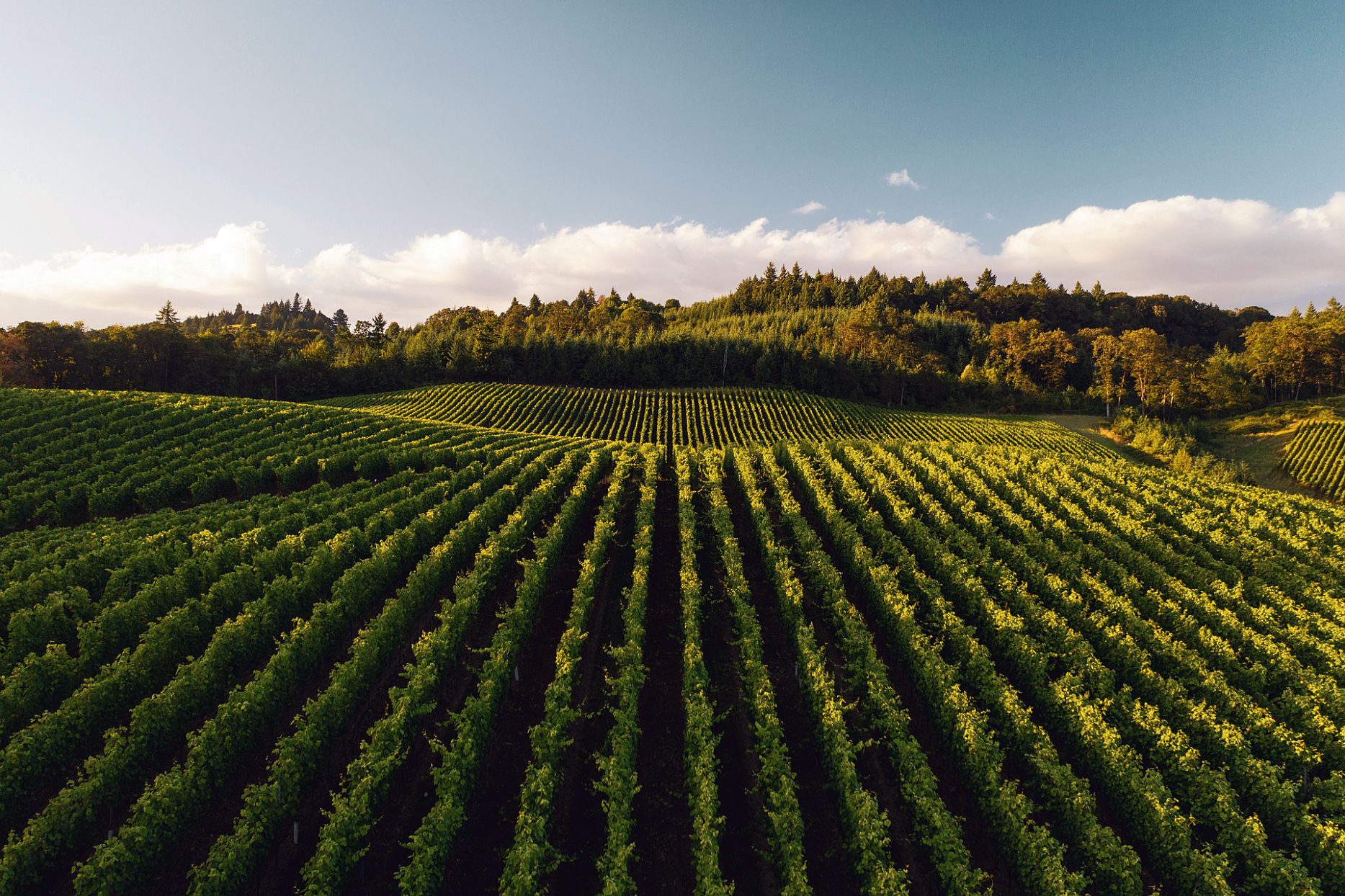
The Premier Cru Marissou lieu-dit lies in the Côte Chalonnaise, north of the village of Rully. The appellation is planted mainly with Chardonnay, but part of it is also given over to Pinot Noir. Domaine Ninot's Rully Premier Cru Marissou is made solely from Pinot Noir, farmed organically and biodynamically (uncertified), and in the cellar undergoes spontaneous fermentation followed by ageing in 100% new French oak barriques.
The elegance that distinguishes Pinot Noir does not overpower the dish; instead, with its body and acidity, it accompanies the complexity of the recipe. In this southerly part of Burgundy, Pinot Noir shows aromas of red and dark fruit, characteristics also found in the dish thanks to the long cooking of the fruit. At the same time, the time spent in new oak brings pronounced aromas and sweet spice, spicy notes that are fully echoed in the tagine (cinnamon, toasty notes, liquorice, vanilla) and which create balance both on the nose and throughout the palate.
And you, dear restaurateur friends, how would you pair your Middle Eastern dishes with the wines of the Wine Terroir Selection? We would love to know, so please send us your pairings and photos: we will be delighted to share them!
Wine Terroir Srls imports and distributes French and international wines exclusively for the Horeca trade in Italy.
Discover our services and our catalogue, or send us an email for more information!